Cart
Cart
 Account
 Your Orders
 Sign Out
 Sign In

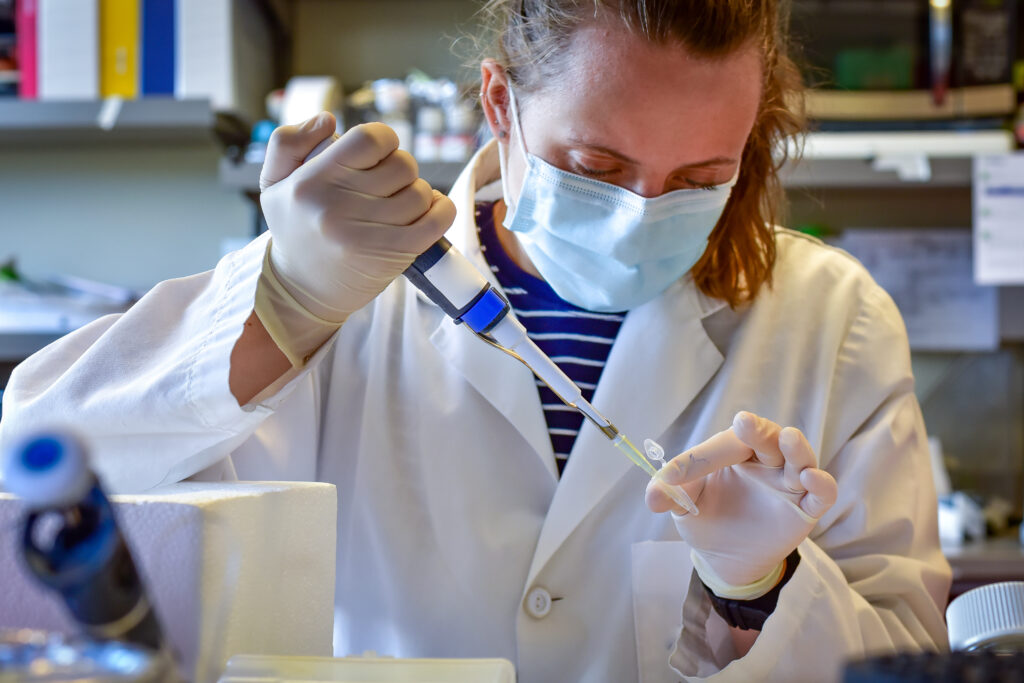
In molecular diagnostics, you’re expected to deliver results with both speed and precision—whether you’re innovating on the front lines of point-of-care testing or managing the relentless pace of high-throughput clinical labs. But no matter how skilled your team is, efficiency can be derailed by technical setbacks. Workflow bottlenecks don’t just slow the process—they drain resources and make it harder to trust the answers you provide.
Fortunately, the most common challenges you face are within your control. With the right strategies and tools, you can streamline your workflow, build confidence in your results, and focus on what matters most: high-quality answers. Below, we break down six of the biggest workflow hurdles in molecular diagnostics—and offer targeted ways to overcome them.
Discover Synthego's Molecular Dx Solutions!
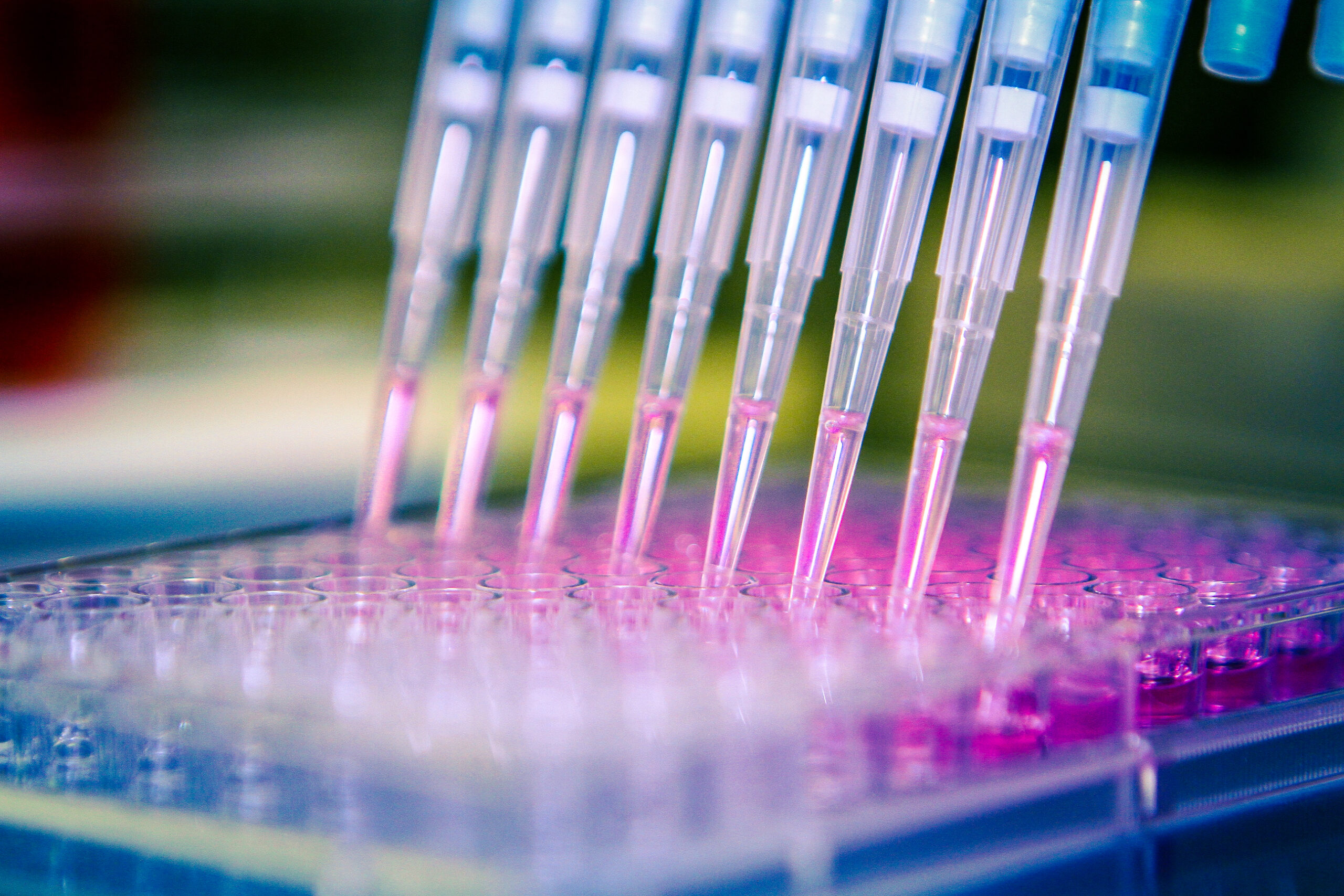
1. The Double Threat: Sample Degradation and Cross-Contamination
Let’s start with the nightmare scenario: you’ve done the extraction, but your target is gone—or worse, it’s showing up where it shouldn’t be.
Sample integrity is the bedrock of molecular diagnostics. RNA is notoriously fragile, prone to degradation by pervasive RNases if not handled with extreme care. At the same time, the sensitivity of modern amplification techniques means that a microscopic splash can introduce cross-contamination, leading to false positives that invalidate entire runs.
When you are battling both degradation and contamination, you are fighting a war on two fronts.
The Fix:
Stop the problem before it starts. Use robust sample preparation reagents designed to stabilize nucleic acids immediately upon collection. Look for transport media and lysis buffers that actively inhibit nucleases. Simultaneously, implement strict physical barriers and workflow habits to prevent carryover. High-quality, nuclease-free reagents act as your first line of defense, preserving your precious analytes and keeping your negatives truly negative.
2. The Rollercoaster of Inconsistent Yields
One day you get pristine, high-concentration DNA. The next day, using the exact same protocol on a slightly different sample matrix (say, sputum vs. saliva), your yields plummet.
Inconsistent yields create a massive bottleneck because they force you to normalize input concentrations manually, adding tedious pipetting steps and increasing the risk of error. If your extraction and prep chemistry can’t handle the natural variability of biological samples, your downstream assays will suffer from high Ct values and poor reproducibility.
The Fix:
Standardize your input. You need sample preparation reagents that are chemically robust enough to handle diverse sample types without requiring constant protocol tweaking. By using versatile reagents that deliver consistent lysis and preservation across varying matrices, you ensure a reliable starting point for every single reaction.
Find high-quality enzymes for sample preparation
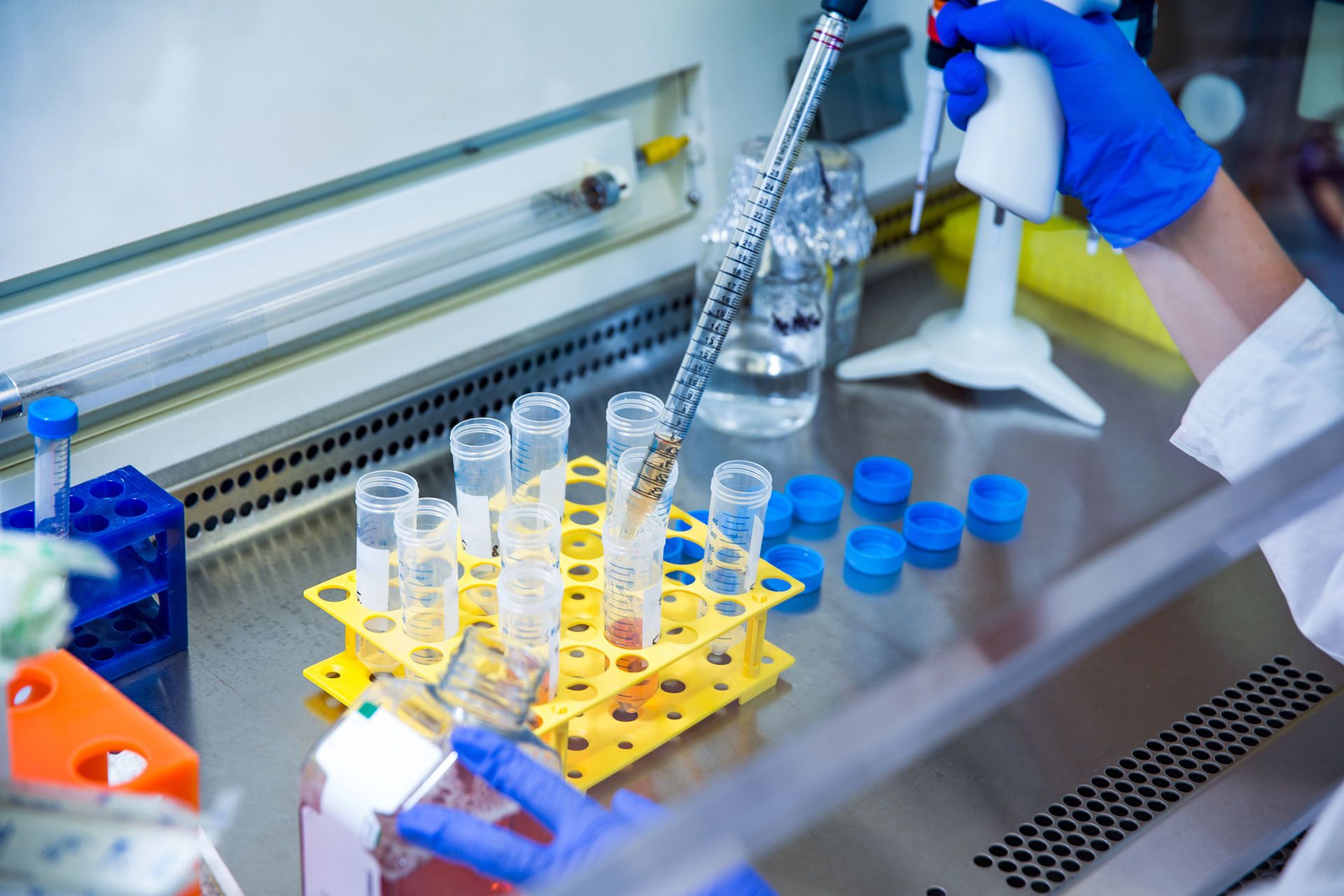
3. The Silent Killer: PCR Inhibitors
You have the template. You have the primers. But the reaction fails. Why? Because your sample brought along some uninvited guests.
Substances like heme from blood, humic acids from soil, or even excessive salts from transport media can wreak havoc on standard enzymes. These inhibitors bind to your polymerase or magnesium ions, shutting down amplification efficiency. The result is lower sensitivity and higher limits of detection (LOD)—two things you cannot afford in diagnostics.
The Fix:
Don’t just clean your sample; empower your reaction. While purification helps, the ultimate safety net is using PCR enzymes engineered for inhibitor tolerance. Modern, high-performance polymerases are designed to power through crude lysates and dirty samples, ensuring robust amplification even when sample purity isn't perfect.
Discover Synthego's PCR and Reverse Transcription Enzymes
4. The "Bad Batch" Blues (Enzyme Variability)
There is nothing more frustrating than validating an assay, ordering a new lot of enzyme, and watching your performance metrics drop.
Enzyme batch variability is a subtle but devastating bottleneck. If the specific activity of your polymerase or reverse transcriptase fluctuates between lots, your assay’s reproducibility goes out the window. This forces you to re-validate every new shipment—a massive drain on time and resources.
The Fix:
Demand consistency. Partner with a supplier that treats reagents as critical infrastructure, not commodities. Synthego’s PCR and RT enzymes are manufactured under stringent quality controls to ensure lot-to-lot consistency. When your enzymes perform exactly the same way every time, you stop troubleshooting reagents and start trusting your results.
5. Reagent Instability (Or, Who Left the Freezer Open?)
Reagents are expensive, and many are thermally sensitive. If a master mix degrades because it sat on the bench too long or the freezer temperature fluctuated, you risk assay failure.
This instability creates a logistical bottleneck. You have to handle reagents with kid gloves, keep everything on ice, and rush through setup steps. It adds stress and complexity to the workflow that you simply don’t need.
The Fix:
Choose stability. Modern reagent formulations are increasingly stable at room temperature for short periods or robust enough to withstand freeze-thaw cycles. Utilizing stable, high-quality enzymes and master mixes allows for more flexible workflow timing and reduces the anxiety of reagent handling errors. Synthego's enzymes can be customized in lyo-ready or lyophilized formats for greater stability.
Contact us to learn about customization and optimization of your molecular reagents

6. Low Sensitivity in Isothermal Assays
Isothermal amplification methods like LAMP or RPA are game-changers for point-of-care diagnostics because they don't require thermal cyclers. While their sensitivity can theoretically match traditional qPCR, achieving that in practice is often more challenging.
If your isothermal assay misses low-copy targets, it’s not a diagnostic tool; it’s a coin flip. Developing these assays often involves a painful trial-and-error process to find enzymes that are fast enough to be useful but sensitive enough to be accurate.
The Fix:
Optimize your engine. The speed and sensitivity of isothermal assays depend entirely on the quality of the DNA polymerase or recombinase used. Synthego’s isothermal amplification solutions are optimized to bridge the gap, offering the rapidity you need for point-of-care applications without sacrificing the sensitivity required for clinical confidence.
Ready-to-Use Lyophilized RPA Kits

The Bottom Line:
Bottlenecks shouldn't be the norm. By identifying these six common pain points and upgrading your toolkit with purpose-built reagents—from robust sample prep to inhibitor-tolerant enzymes—you can streamline your molecular diagnostics workflow. Stop fighting your reagents and start accelerating your science.