
Recent advances in genome engineering technology such as CRISPR-Cas9 have brought it to the forefront, making it a highly discussed topic in both scientific and mainstream worlds.
In this article, we will cover the basics behind genome editing, the evolution of genome editing techniques, the main genome engineering applications, and what the not-so-distant future may hold for gene editing.
Let's get started with the basics of what the term genome engineering means and its history in the following section.
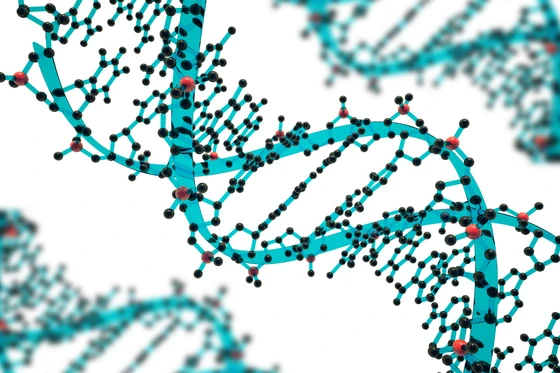
An organism's genome consists of a specific set of nucleotides that are meant to be arranged in proper order. Any changes in this arrangement can lead to negative effects on health and survival. Scientists have discovered new ways to study and change this code, a process called genome engineering, which prevents these detrimental effects from occurring. This section will discuss what genome editing is, and how it came to be.
Genome engineering (or genome editing) refers to altering an organism's genetic code. Alterations include deleting nucleotides to knock out a gene, adding nucleotides to knock in a protein, or editing nucleotides to create a mutation. Gene editing can occur at the DNA, RNA, or epigenetic level.
Looking back on the history of gene editing, scientists have made incredible progress from the discovery of the structure of DNA to the introduction of CRISPR. Here are some key discoveries in the history of genome engineering that have brought us to where we are today:
To learn about more achievements in gene editing, check out this guide on the history of genome engineering. Tune in to this podcast episode to hear researcher Avery Posey explain what CAR T Therapy is and how it is being used to treat cancer.

The technologies enabling scientists to edit an organism's genome have evolved over the decades. In this section, you will find a brief overview of past and present genome editing techniques, and how the emergence of newer methods addressed pitfalls in previous techniques to make genome engineering more accurate and feasible.
Genome engineering began with the discovery of restriction enzymes in the 1970s by Werner Arber. Restriction enzymes are responsible for recognizing and cutting at specific nucleotide sequences. New DNA sequences can be introduced at these cut sites if desired, thereby editing the genome.
While this exciting new discovery made an impact on the scientific world, it does possess a caveat: restriction enzymes can only cut at specific predetermined sites, therefore limiting their usability depending on where you want the cut to be made. Despite this, they are still commonly used today for some applications, and this discovery paved the way for future genome engineering techniques.
Precision genome editing was first addressed with the discovery of zinc finger nucleases (ZFN) in the 1980s. ZFNs comprise a nuclease domain and a specific zinc finger DNA-binding domain composed of 3-base pair site on DNA. Multiple ZFNs can be combined to recognize longer sequences of nucleotides, increasing specificity, and making it 'customizable' to a target of interest. ZFNs also proved advantageous for genome editing in plants, opening genome engineering to new species.
While ZFNs were well-intentioned, the design and execution process was incredibly time-consuming and difficult. In 2011, transcription activator-like effector nucleases (TALENs) emerged as a new gene editing technology. TALENs are similar to ZFNs in that they are composed of a nuclease fused to DNA-binding domain sequences, however, TALENs recognize single nucleotides rather than relying on 3-base pair sites like with ZFNs.
In 2012, genome engineering was transformed in ways scientists have always hoped - enter CRISPR (Clustered Regularly Interspaced Short Palindromic Repeats). Teams lead by Jennifer Doudna and Emmanuelle Charpentier described the biochemical mechanism of CRISPR, which was until then known to be involved in innate immunity in bacteria. In 2013, a team led by Feng Zhang described how to use this system to edit eukaryotic DNA.
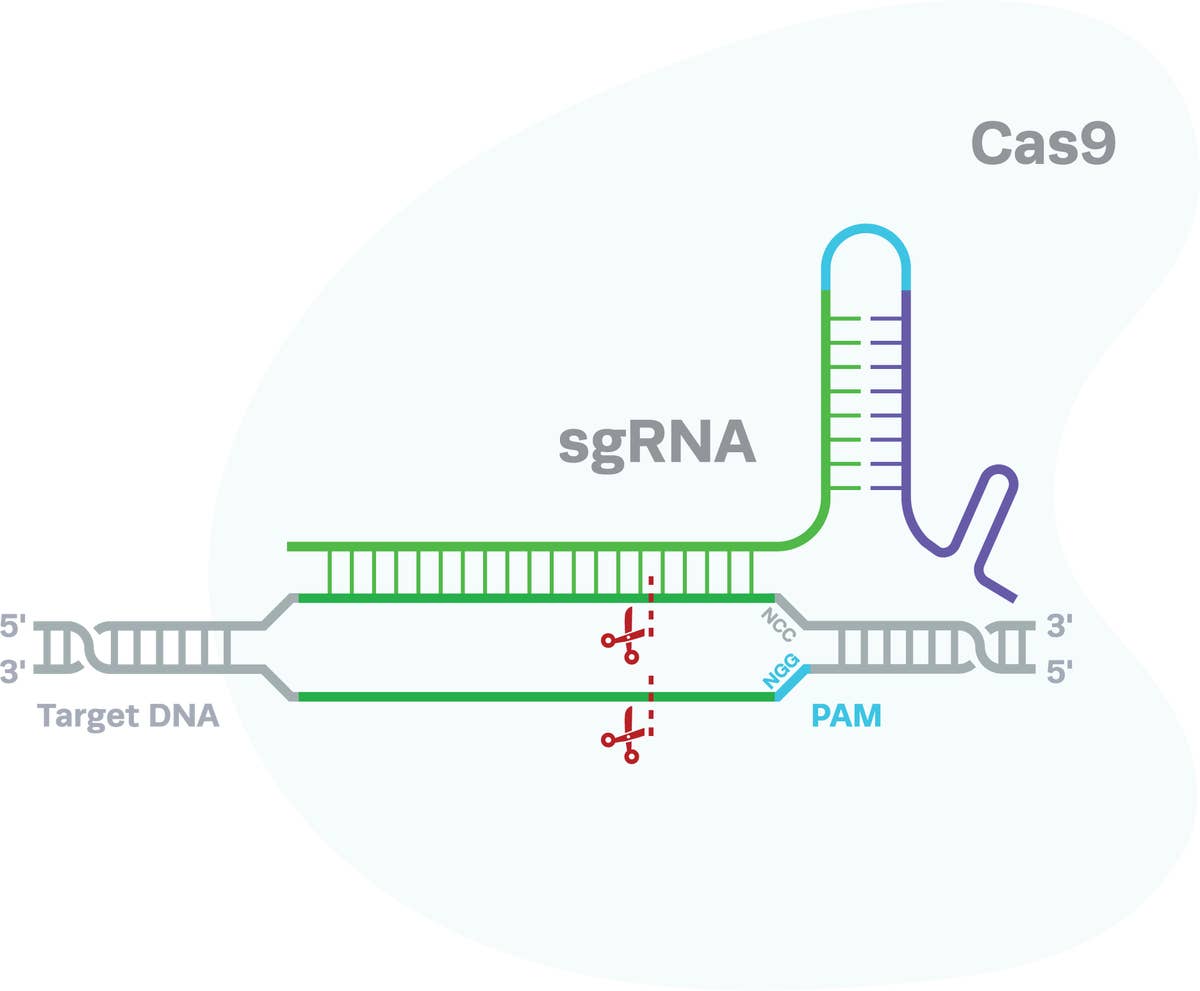
CRISPR technology relies on guide RNAs and the endonuclease Cas9; the former recognizes the target site and the latter is responsible for making the cut to facilitate repair mechanisms. While both CRISPR and TALENs enable editing at single nucleotide resolution, CRISPR has become a more attractive alternative since it is less time-intensive and cost-effective.
Today, next-generation approaches including base editing and prime editing are pushing the field beyond simply cutting DNA toward precisely rewriting genetic information.
CRISPR-Cas9 revolutionized genome engineering by making targeted DNA cleavage relatively accessible, but introducing double-strand breaks can lead to unwanted insertions, deletions, and other genomic changes. In 2016, researchers led by David Liu introduced base editing, a new approach that could chemically convert one DNA base into another without creating a double-strand break. Base editors combine a catalytically impaired CRISPR-Cas protein with a deaminase that chemically modifies a targeted nucleotide. This approach enabled more precise correction of certain point mutations and expanded the range of possible genome edits.

Traditional cytosine base editors use terminal deaminase fusions, placing the deaminase outside of the Cas protein. AccuBase is engineered for high-fidelity base editing, thanks to embedding its deaminase within the Cas9 nickase, activating only after binding to its target sequence.
Building on the concept of precision editing, researchers introduced prime editingin 2019. Prime editors combine a modified Cas9 protein with a reverse transcriptase and a specialized prime editing guide RNA (pegRNA). Rather than relying on a double-strand break or a separate donor DNA template, the system can directly write new genetic information into a target DNA sequence. Prime editing can introduce small insertions, deletions, and a broad range of substitutions, making it one of the most versatile CRISPR-derived editing technologies developed to date.
Not all genome engineering requires changing the underlying DNA sequence. Epigenome editing with CRISPR takes a different approach by modifying the regulatory mechanisms that control whether genes are turned on or off, without permanently altering the DNA itself. CRISPR-based systems can be repurposed for this purpose by using catalytically inactive Cas proteins to precisely target regulatory regions and recruit transcriptional activators or repressors. One example is CRISPR interference (CRISPRi), which uses dCas9 and a guide RNA to block transcription of a target gene without cutting the DNA. This approach provides researchers with a powerful way to study gene function and modulate gene expression.
We have discussed the different ways genome engineering methods developed throughout the years. As time goes on, scientists have discovered new methods that address the disadvantages of its predecessors. Each method has its set of advantages and disadvantages based on the science behind it. Choosing the right technique depends on your experimental design, budget, and time constraints.

Due to recent CRISPR breakthroughs, this tool has become the more common genome engineering technique. Scientists are currently utilizing CRISPR in their studies to answer a number of questions, highlighting the power and versatility of gene editing. This section will discuss three common ways CRISPR and genome editing technology is helping scientists in the laboratory.
CRISPR is most commonly associated with studying gene function. Knocking out a gene and watching organism or organ-specific responses is classically how gene function is determined and studied. The specific nature of CRISPR has allowed for not only knockouts, but for knock-ins of specific sequences.
Knocking in sequences to study gene function allows scientists to engineer in targeted or known common genetic mutations or to insert protein tags (see below) to track proteins in time and space. Notably, scientists have recently applied CRISPR in a tissue-specific loss of function manner in Drosophila, making it possible to look at gene function by knockout in specific cell types, without confounding effects of neighboring cells.
The precise nature behind CRISPR-Cas9 makes it amenable to identify and validate drug targets. Scientists are using CRISPR screens as a tool to survey a large number of targets response to genetic changes or drug sensitivity.
In CRISPR screens involving changes in the genome, loss of function screens can help scientists understand what genes play a role in disease manifestation or progression. In drug development, CRISPR has enabled scientists to study the effects of drug sensitivity on specific genetically altered cells (i.e. small molecule screen).
Protein tagging is the ability to tag or track a cell based on a visible protein added onto the gene of choice. The most commonly used tags are fluorescent tags, such as green fluorescent protein, which provides scientists a way to visualize and track cells either in vivo (live imaging) or following tissue harvest (immunofluorescence staining). Protein tags are particularly useful for genes that are difficult to label by traditional antibody approaches.
In order to utilize protein tags, scientists must be able to engineer tags to their gene of interest, which classically has been time-consuming and laborious to do. CRISPR knock-in strategies via HDR by CRISPR-Cas9 have made this tool easier to produce and customize (i.e., labeling with different colors).
Now that you understand how gene engineering is accomplished, you can begin to imagine the impact it can have. Currently, genome editing using CRISPR is seen in many different disciplines: medicine, agriculture, and beyond. This section focuses on the broad genome editing applications, and how they will impact your day-to-day life.

There is no greater place to see the power of genome engineering than in medicine. The ability to modify the genetic code provides researchers and clinicians new and more effective ways to prevent, study, and treat diseases.
Successful drug discovery has led to safe and efficacious therapies for a number of diseases. The monetary and human cost of disease strongly indicates the need for discovering and producing novel treatments.
While the impact is high, drug discovery is not cheap or easy. It is a time-consuming and labor-intensive process that, understandably, goes through an arduous process of checks and balances before patients even know the drug exists. Ways to speed up the path from the lab to the patient will not only save time and money, but hopefully save lives as well.
Past genome engineering tools (such as RNAi and TALENs) have been useful, but are not without some drawbacks. CRISPR-Cas9 editing addresses the many issues of past strategies that have hindered or slowed down the drug discovery process. The feasibility and accessibility of CRISPR technology to all scientists provides a greater opportunity for screening and manufacturing new drugs for a wider audience. Early applications of this are seen and felt in the cancer biology field, where CRISPR trials of cancer immunotherapy are already in progress.
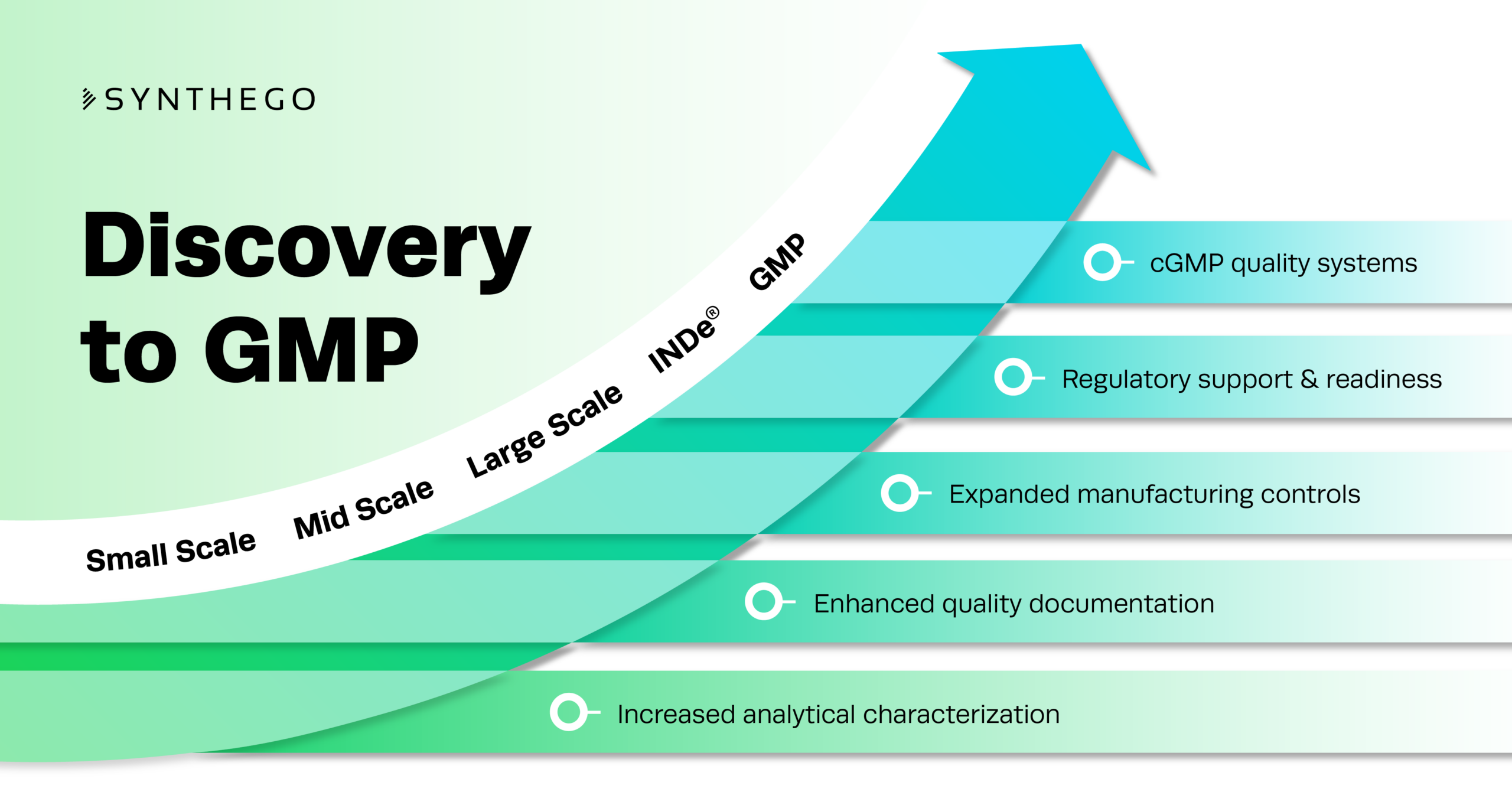
From early-stage drug discovery to clinical development, CRISPR programs tailored solutions that can evolve with every stage of your research. Synthego’s CRISPR Continuum provides these solutions from discovery to the clinic, with products, manufacturing, and regulatory guidance designed to support every milestone.
The basis of genetic diseases is errors or 'typos' in the genetic code. These typos can often lead to loss of function of proteins that are essential for basic human functions. Knowing this, genome engineering is tailor-made for therapeutics to treat diseases that are driven by genetic changes, either by inheritance or by mutational load (cancer).
The advantages of CRISPR—high specificity, low off-target effects, ease of use—has made therapeutics development easier and more efficacious. Recently, scientists used CRISPR to develop a therapy for sickle-cell anemia, a genetic disorder where red blood cells cannot carry oxygen through the body causing chronic pain and potentially fatal complications. Scientists have demonstrated that CRISPR can be used to correct mutations in the gene causing sickle cell, highlighting the power of CRISPR as a therapeutic power.
CRISPR applications in therapeutics are not only limited to sickle cell anemia. A number of CRISPR clinical trials are underway for a variety of other diseases with no known cure, which have been notoriously difficult to treat.
CRISPR can also be used as a powerful diagnostic tool. Due to its targeted nature, CRISPR is currently being used to detect infectious and non-infectious diseases. A recent example is CRISPR-Chip, where researchers used a graphene-based field transistor combined with CRISPR for electronic detection of target genes.
In another example, scientists have unveiled a new diagnostic tool using CRISPR called SHERLOCK that is similar to a pregnancy test, where a strip of paper is dipped into the sample and a yes/no readout is revealed - almost instantly. The principle of SHERLOCK relies on the cleaving of genetic material by Cas13, and releases a signaling molecule that is detected by the paper. The long-term applications of this diagnostic technology can include disease detection, or monitoring agricultural or food supplies.
Not surprisingly, new companies are popping up to start using CRISPR for diagnostic purposes. Mammoth Biosciences is one of the top CRISPR startups looking to develop diagnostic tools to detect certain diseases using CRISPR technology.
Listen to this podcast interview with Trevor Martin, CEO of Mammoth Biosciences, to learn more about how CRISPR is changing the way of medical diagnostics.
Genome engineering has widely been used to model diseases in vitro and in vivo. In vivo models are generated by genetic modifications of mouse embryonic stem cells and delivery into blastocytes by microinjection. The advent of CRISPR shortened the time it takes to go from cell to organism.
CRISPR is currently being used to modify the genome prior to generating animal models such as rodents and non-human primates, or stem cell organoids. While classically, animal models of disease are thought to be via gene knockout, HDR or CRISPR knock-in strategies can be used to generate fluorescently tagged models for live animal imaging or disease monitoring, or for generating animals harboring specific genetic changes that are essential for a specific disease.
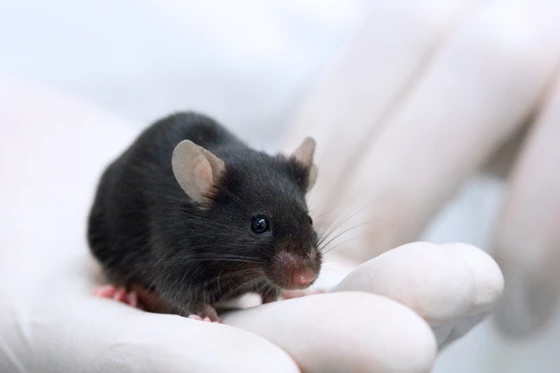
CRISPR-based animal models enable researchers to introduce precise genetic changes and study how specific genes contribute to health and disease.

The term "genetically modified organisms" (or GMOs) is often met with controversy because the process behind generating these is misunderstood or not clear to the public. Genome editing of crops and specific foods can yield dramatically beneficial results to the food supply by addressing pitfalls that contribute to compromises in food safety and food availability.
In agriculture, for example, scientists are using genome engineered cattle and salmon to harbor disease resistance, increase sustainability, and improve their nutritional and therapeutic value. Listen to this podcast episode with Alison Van Eenennaam, a geneticist at UC Davis, talk about how they use CRISPR in cattle welfare and sustainability projects.
The principles of genome engineering, specifically CRISPR, are also being applied to specific crops to address issues of food intolerance and food spoilage. This intersection of farming and laboratory science is currently seen in everyday foods including chocolate, wine, rice, and coffee.
The most applicable use of genome engineering in crops is in the wheat supply. Scientists are now using CRISPR-Cas9 to modify and improve the immunogenicity of wheat - the main cause of celiac disease. With this in mind, it is becoming clearer that genome editing is positively impacting agriculture.
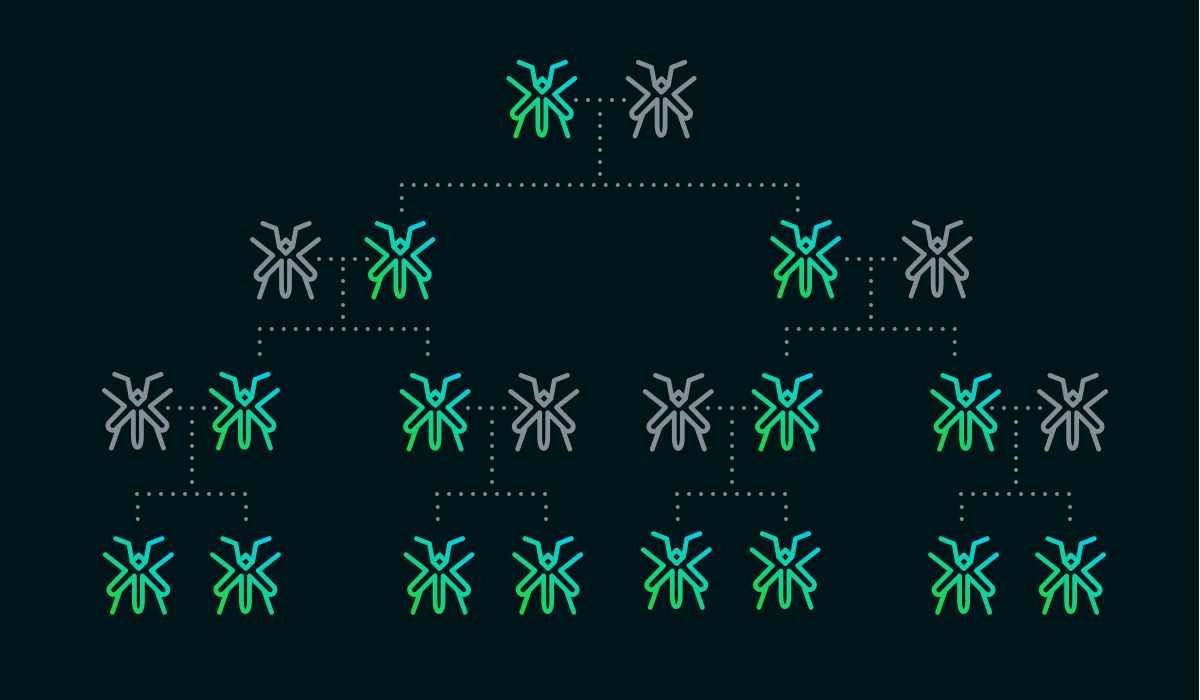
Gene drives, a mechanism where a desired genetic variant is transferred through a population faster than normal inheritance, can effectively stop the spread of an undesired trait. While the idea of gene drives to alter large populations is not new, advances in genome engineering in the past decade has made it much more feasible.
CRISPR gene drives are now being used to combat the spread of diseases transmitted by insects. Most notably, scientists are genetically engineering mosquitoes harboring a sterilizing mutation as a potentially novel weapon in the fight against the spread of malaria.
Biomaterials—products that are made to interact with biological systems—are often used in medicine to act as an aid, or replace the normal physiological function of the human body. Genome engineering has accelerated advancements in biomaterials and bioengineering.
For example, "DNA origami" projects may require stringing together long sequences of DNA to enable their three-dimensional folding into the desired shape. However, folding and assembling large pieces of DNA is not an easy task. This is where genome editing comes in. Since the backbone of CRISPR is cutting genetic sequences, CRISPR-Cas9 can cut large sequences into smaller pieces that are easier to fold together.
The relationship between biomaterials and genome engineering is a two-way street: while genome engineering is transforming biomaterials, biomaterials are making genome editing more feasible and efficient. The delivery of CRISPR components into cells for editing is being accelerated by advancements in biomaterials.

One may commonly associate genome engineering with its transformative role in medicine or agriculture. However, the ability to change the genetic code is helping scientists protect the environment by aiding biofuel research. Scientists are using genome editing technologies to address major environmental issues from exploring novel sources of sustainable, renewable energy to decreasing the carbon footprint.
Specific genetic manipulation of microbes by CRISPR is being used to improve tolerance to biofuels, which is a limiting factor in producing economically-friendly fuel production.
With the discovery of CRISPR-Cas9, the future of genome engineering is incredibly promising. CRISPR-Cas9 as a genome engineering tool has been around less than 10 years, yet it has already completely changed the landscape of biomedical research.
This powerful gene editing tool has proven to serve as a diagnostic tool for disease detection, a potential therapeutic treatment for genetic disorders, a way to combat dangers in our agriculture, food supply, and much more. Clinical trials using CRISPR are currently in the works, and if successful, can completely change the possibility of therapeutics for diseases with no or limited treatment options in the future.
Results coming from CRISPR researchers are signifying promising progress towards what CRISPR can do for editing the human genome with regard to health and the environment. However, with great power comes great responsibility. The ethical concerns behind genome engineering are becoming more apparent, and the scientific community, both in the United States and abroad, are actively cognizant of the advantages and disadvantages associated with it.
Even though it appears the progress of CRISPR research is moving at lightning speed, there are still questions scientists are trying to answer including the optimization of CRISPR design protocols using bioinformatics to transporting CRISPR from bench to bedside - and more. No matter what, it is clear that genome engineering is making an impact, and the future CRISPR research will transform the field, hopefully bringing greater advancements that benefit human and environmental health.
Whether you are planning your first CRISPR experiment or looking to refine your workflow, our How to Use CRISPR guide walks you through the key decisions needed to get started. For more information, browse our product offerings to start using this technology in your research, or book an appointment with one of our genome engineering specialists.
Recombinase Polymerase Amplification (RPA) coupled with CRISPR-based detection offers a rapid, highly sensitive, and isothermal molecular diagnostic framework, bypassing the need for complex thermal cyclers. Operating at a constant 37°C...
Advancing a CRISPR program becomes more complex at every stage.
Cell-free protein expression (CFPE) systems enable rapid prototyping of protein constructs by expressing genes directly from engineered DNA templates in vitro. While linear templates allow fast iteration, circular DNA templates...
 Cart
Cart
 Account
 Your Orders
 Sign Out
 Sign In