Cart
Cart
 Account
 Your Orders
 Sign Out
 Sign In

CRISPR technology is changing the landscape of genetic research with its great potential to alter genomes of almost any organism. While genome editing has traditionally had several applications in animals, technology limitations curbed the diversity of model organisms used in research. The ease of CRISPR has opened up new vistas for researchers to study uncommon animal models to understand the underlying mechanisms of their unique traits.
In this article, we will learn about some of the unique animal models that scientists have successfully genetically edited using CRISPR in the hope to better understand them.
CRISPR Model Organisms: 4 Common Animals Used for Genetic Research
CRISPR-Ca9 is a novel genome editing tool that has quickly become the technology of choice for genome engineering in many model organisms, due to its efficacy and versatility. Below, we will discuss some of the commonly used organisms in CRISPR research and how they have contributed significantly to human disease research.
1. Mouse model organism in CRISPR
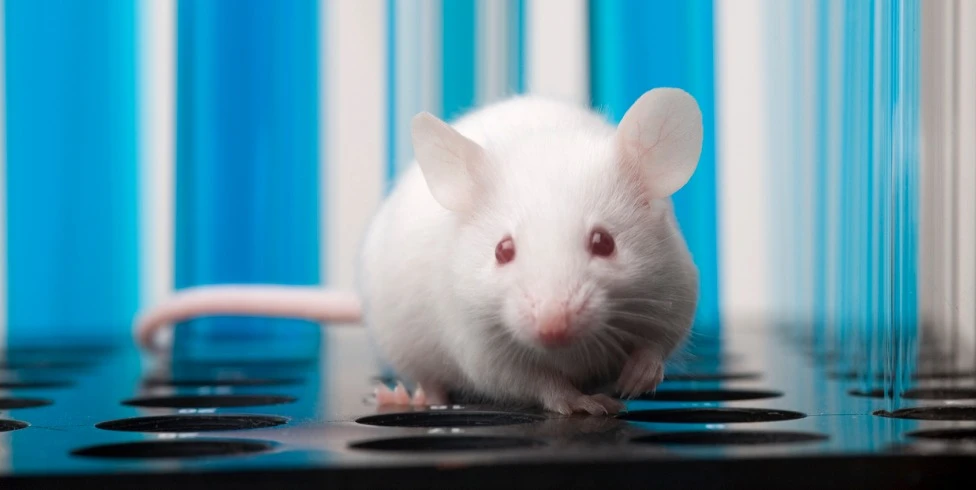
Mice are one of the most commonly used organisms used to model human diseases due to their close similarity with the human genome. With the advent of CRISPR, it has become relatively simple to genetically modify mice and study mutant models. Researchers have used CRISPR knockout models to reverse blindness in mice. Another team has used CRISPR knock-in mouse models of retinitis pigmentosa to test whether they can reverse blindness.
Apart from the above-mentioned studies, CRISPR-Cas9 has been used to edit the ß-globin gene to increase fetal hemoglobin levels and thus successfully correct sickle-cell disease in mice. Researchers have used CRISPR to disrupt the gene known to increase levels of amyloid-ß protein in Alzheimer’s disease. CRISPR has also shown promising results in editing the genetic allele responsible for Huntington’s disease.
2. How is yeast aiding CRISPR researchYeast is one of the simplest eukaryotes available for research, makes genetic manipulation cost-effective and easy compared to other complex eukaryotes such as mice or zebrafish. CRISPR has been used to modify yeast for various industrial applications. Recently, it was used to modify yeast genes to produce wines with superior rose flavor. Another team of scientists is working towards producing wine that will not lead to a hangover. In biofuel production, CRISPR has been used to genetically modify yeast to make it tolerant to pre-treatment chemicals.
Yeast is one of the simplest eukaryotes available for research, makes genetic manipulation cost-effective and easy compared to other complex eukaryotes such as mice or zebrafish. CRISPR has been used to modify yeast for various industrial applications. Recently, it was used to modify yeast genes to produce wines with superior rose flavor. Another team of scientists is working towards producing wine that will not lead to a hangover. In biofuel production, CRISPR has been used to genetically modify yeast to make it tolerant to pre-treatment chemicals.
3. CRISPR Research in zebrafish
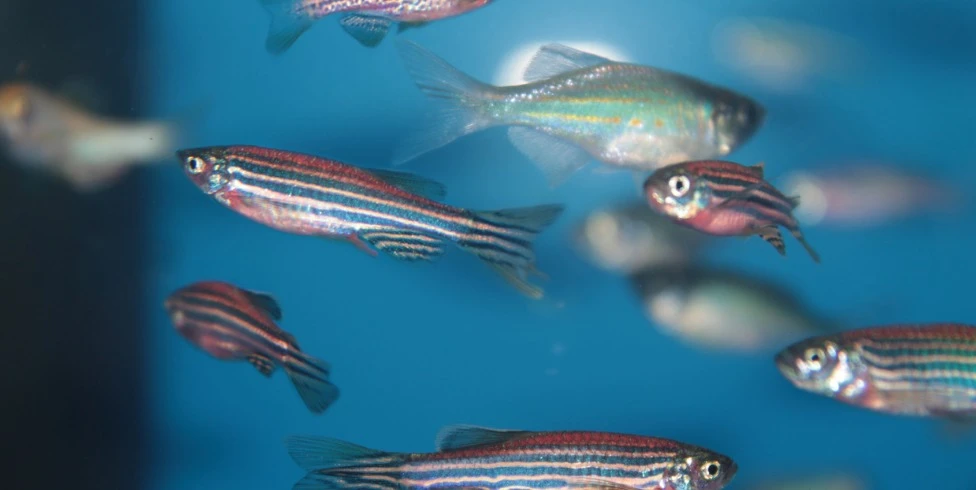
Zebrafish has been commonly used as a model organism since it was revealed that over 70% percent of human genes are found in zebrafish. Recently, CRISPR-Cas9 technology has become a valuable tool for the generation of human disease models in zebrafish. Zebrafish knock-in models have been used to understand diseases such as amyotrophic lateral sclerosis and Cantú syndrome. Zebrafish knock-out models have been used to study the role of SHANK3 gene orthologs in autism spectrum disorder (ASD).
4. Using Drosophila melanogaster as a model organism
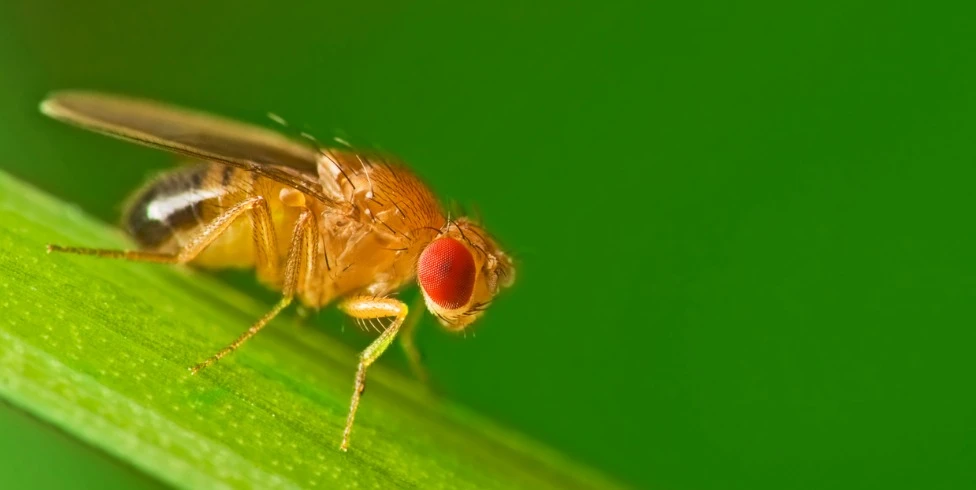
Drosophila melanogaster or the fruit fly has been used to model many human diseases including cancer and several neurodegenerative diseases. Suitability for genetic screens is a key reason for its popularity as a model organism.
A research team recently achieved biallelic targeting of genes in somatic cells of the fruit fly, and they were also able to restrict CRISPR-mediated mutagenesis and achieve high-throughput genetic screening in Drosophila heart. Another team used tsCRISPR approach in a large-scale in vivo screen to discover molecules required for developmental neuronal remodeling.
CRISPR has also been used for other popular animal models such as pigs, primates, and canines. Apart from these common animal models, CRISPR has been used to genetically modify other rare animals. Learn about CRISPR research in these animals in the next section.
CRISPR 101 eBook
CRISPR has quickly become a standard laboratory tool for gene editing. As the adoption of CRISPR accelerates worldwide, up-to-date knowledge of the basics of CRISPR is essential for anyone in the field. From target identification studies to the recent breakthroughs in clinical trials, CRISPR is enabling scientists to unlock the power of the genome.
Download our CRISPR 101 eBook today to stay up to date on all your CRISPR basics and get the best results in your CRISPR experiments!

7 CRISPR Animal Models That Will Surprise You
Some species of animals have remarkable traits and studying them can help us understand various biological processes specific to these animals. The CRISPR technology has been making it easy to modify genomes of complex animals and has helped scientists understand them better. This novel technology was recently used to create the first genetically modified reptile, the brown anole (Anolis sagrei). In this section, we will discuss some uncommon animals that have been modified by CRISPR.
1. Using CRISPR to understand symbiosis between rove beetles and ants
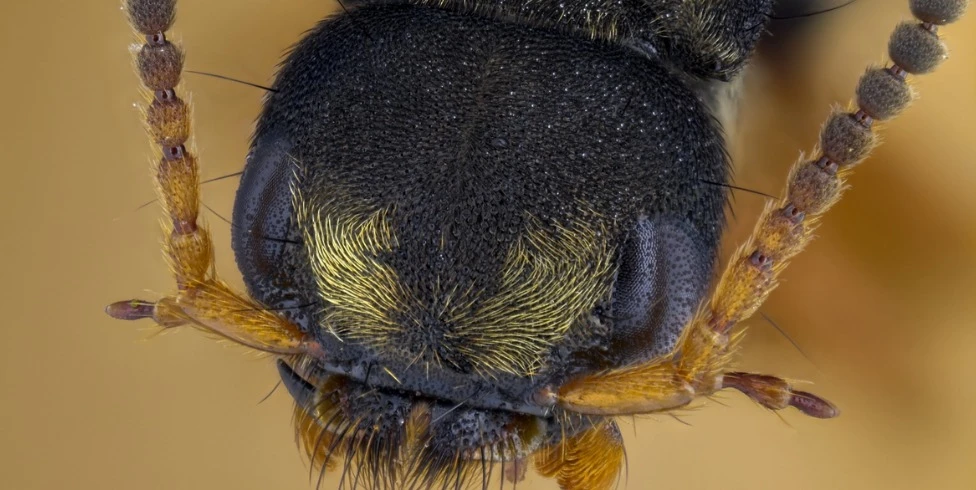
Joseph Parker has had a keen interest in rove beetles (Staphylinidae) since he was a seven-year-old kid. However, a lack of tools for studying the beetles prevented him from understanding the genetic and brain mechanisms behind their behavior.
However, everything changed with the entry of CRISPR! His research team at the California Institute of Technology in Pasadena is now using CRISPR to study symbiosis in rove beetles. The technology is being used to knock out genes in beetles that live with ants and in those that do not. Parker hopes to understand how the insects’ DNA changes with their lifestyles.
2. Using CRISPR to understand the neural process of dwarf cuttlefish and Hawaiian bobtail squid camouflage
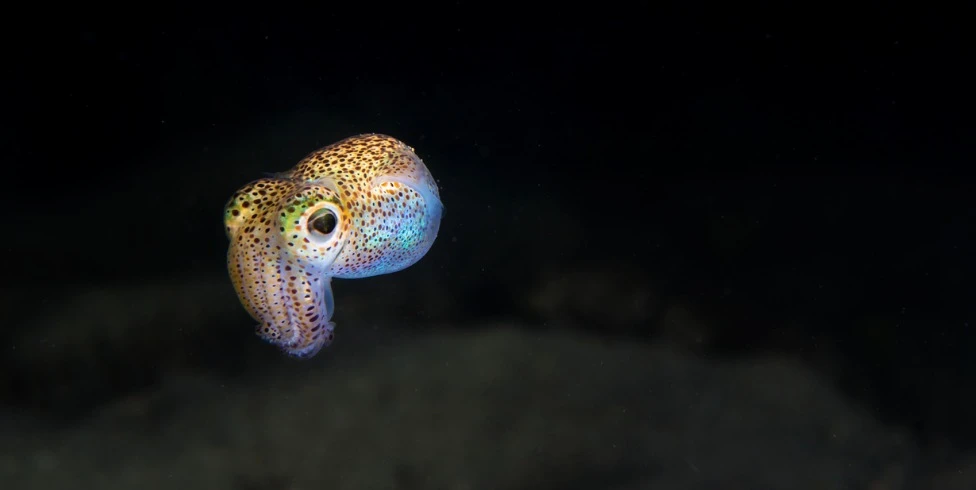
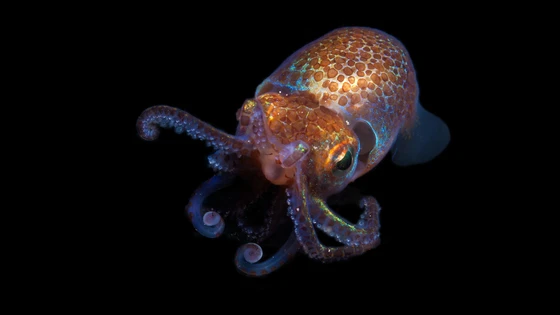
CRISPR is opening up many avenues to genetically modify exotic animals and understand their elusive behavior. Tessa Montague, a molecular biologist at Columbia University in New York City, works on Hawaiian bobtail squid (Euprymna scolopes) and the dwarf cuttlefish (Sepia bandensis).
In these species, the camouflage acts as an outward display of their neuronal activity. So far, it has not been easy to understand how these cephalopods have been able to project patterns onto their skin to match what they see around them. Recently, Montague and her team have been able to inject CRISPR components into cuttlefish and bobtail-squid embryos. They are using this technology to genetically modify the cephalopods’ neurons to light up when they fire.
3. Using CRISPR to understand caste dimorphism in honey bees
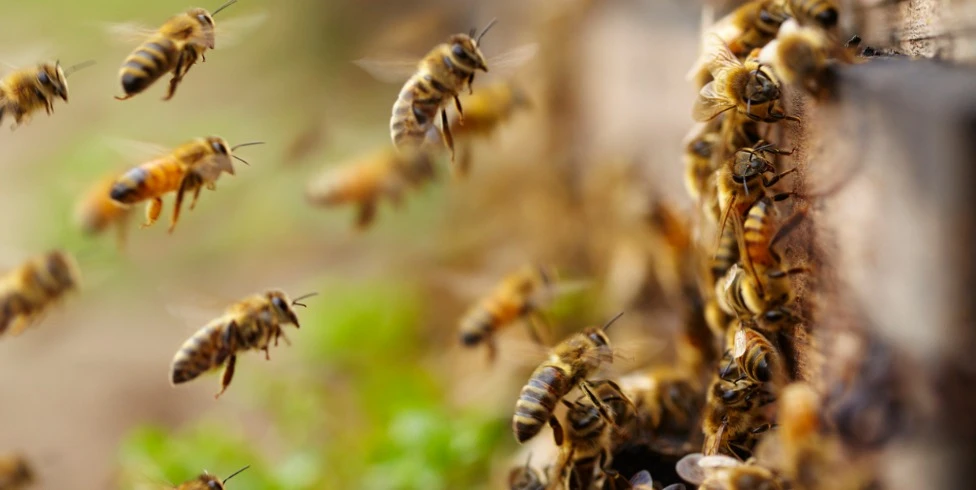
Social organisms such honey bees (Apis mellifera) are characterized by caste dimorphism, with a significant size difference in reproductive organs between the fertile queens and the sterile female worker bees. One of the proposed theories striving to explain this dimorphism is nutrition abundance or instruction via diet-specific components. Researchers recently used CRISPR-Cas9 to run genetic screens to test these models and identify the genes that contributed to the size polyphenism.
They used CRISPR to turn off the femiziner gene and concluded that this gene must be switched on not only to produce ovaries but also to allow the nutrient level to affect gonad size.
4. Studying social behavior in raider ants using CRISPRScientists have known that life inside ant colonies is orchestrated with diverse pheromones. But they have not been able to understand how these ants perceive the social signals.
Recently, Daniel Kronauer and his team at Rockefeller University used CRISPR to genetically modify raider ants so they could not smell pheromones. The scientists observed the social behavior and noted that the modified ants were not able to maintain a complex hierarchy normally seen in a raider ant colony. The team hoping to use CRISPR to learn more about the genes that are involved in this social behavior.
Scientists have known that life inside ant colonies is orchestrated with diverse pheromones. But they have not been able to understand how these ants perceive the social signals.
Recently, Daniel Kronauer and his team at Rockefeller University used CRISPR to genetically modify raider ants so they could not smell pheromones. The scientists observed the social behavior and noted that the modified ants were not able to maintain a complex hierarchy normally seen in a raider ant colony. The team hoping to use CRISPR to learn more about the genes that are involved in this social behavior.
5. CRISPR helps identify genes responsible for butterflies wing colors & patterns
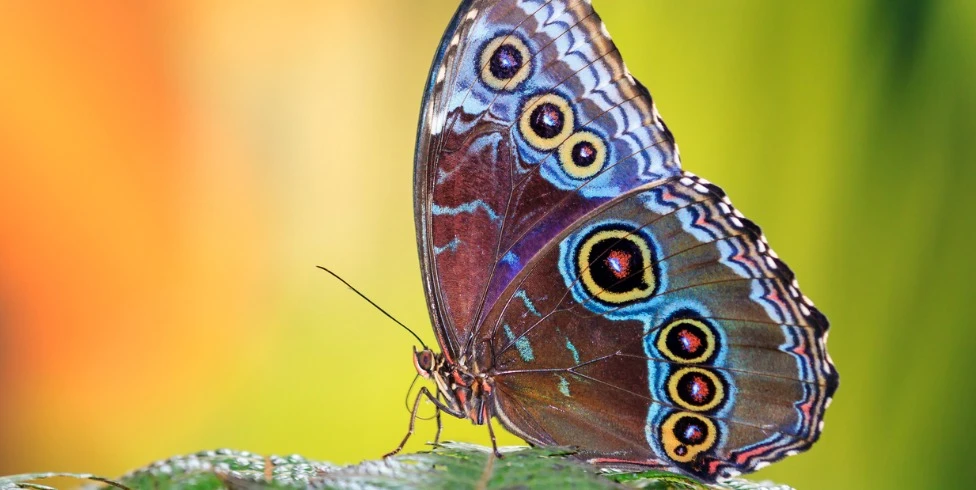
The beautiful, intricate patterns that we on butterfly wings have always intrigued scientists as they attempted to understand how they were produced. And now, thanks to CRISPR, they have been able to identify the genes that play a role in the building of these elaborate patterns. A recent study has shown that there are two genes that are largely responsible for the lines and colours on the wings. Turning off these genes disrupts the processes and dulls the colours rendering them monochromatic.
In another study, scientists used CRISPR-Cas9 to tweak wing colors of the squinting bush brown butterfly (Bicyclus anynana). They discovered that when these genes are turned off, they not only changed the color of the wings, but also the surface structure and rigidity of the wing scales. These results demonstrated that the pigmentation genes have dual roles in the formation of butterfly wings.
6. Deep sea shrimp and CRISPR aid in the fight against Parkinson’s
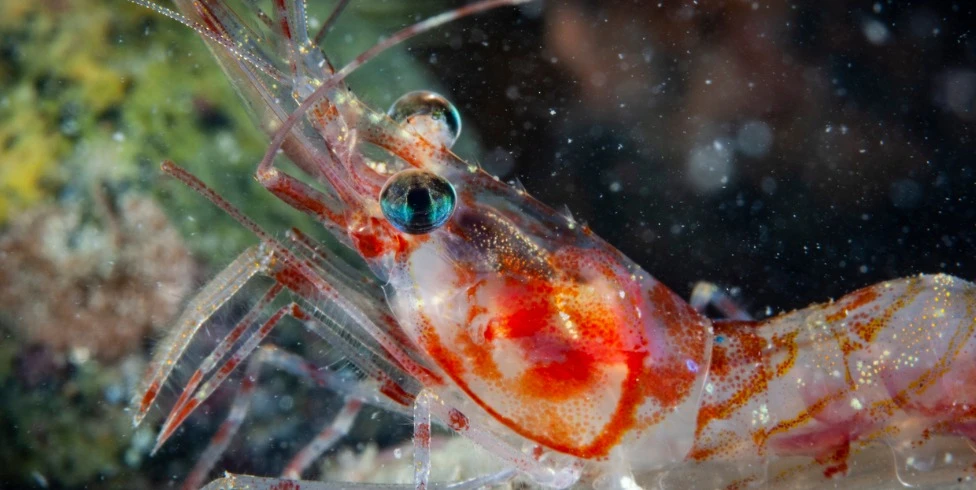
Deep sea shrimp (Oplophorus gracilirostris) have a unique ability to glow in the dark. Scientists are taking advantage of this trait to study Parkinson’s disease. They used CRISPR technology to insert the deep sea shrimp gene into the human cells to make them light up. By doing so, they were able to easily measure changes in the Parkinson’s protein responsible for the neural degeneration associated with the disease.
7. Altering the pea aphid genome using CRISPRApart from these organisms mentioned above, CRISPR has also proved to be useful in genetically modifying the pea aphid’s genome. This insect is a threat to legume crops worldwide. Scientists hope that by modifying the aphid’s genome, they can understand how it interacts with plants, thus leading to the production of better pesticides.
Using CRISPR as a gene-editing tool, researchers are finding it easy to study and develop atypical animal models. Recently, Tessa Montague and her team created an online tool called CHOPCHOP, which can be used to design a CRISPR system to edit specific genes in a DNA fragment. So far, this tool has made it possible to edit genes in over 200 organisms. The possibility of studying and understanding the biological processes in diverse animals is truly exciting.
If you are interested in learning more about CRISPR, be sure to follow CRISPR in the news. You can also keep up with the latest CRISPR news by subscribing to our blog, or by following us on Twitter or Facebook!
Apart from these organisms mentioned above, CRISPR has also proved to be useful in genetically modifying the pea aphid’s genome. This insect is a threat to legume crops worldwide. Scientists hope that by modifying the aphid’s genome, they can understand how it interacts with plants, thus leading to the production of better pesticides.
Using CRISPR as a gene-editing tool, researchers are finding it easy to study and develop atypical animal models. Recently, Tessa Montague and her team created an online tool called CHOPCHOP, which can be used to design a CRISPR system to edit specific genes in a DNA fragment. So far, this tool has made it possible to edit genes in over 200 organisms. The possibility of studying and understanding the biological processes in diverse animals is truly exciting.
If you are interested in learning more about CRISPR, be sure to follow CRISPR in the news. You can also keep up with the latest CRISPR news by subscribing to our blog, or by following us on Twitter or Facebook!
Cell Engineering 101
CRISPR has ignited a revolution. Although it’s a relatively recent discovery in the history of biotechnology, CRISPR has quickly become a standard laboratory tool and cell engineering is transforming research. One of the most widely used applications of CRISPR is knocking out specific genes in cell lines to interrogate gene function.