Cart
Cart
 Account
 Your Orders
 Sign In

The Role of Point-of-Care Diagnostics in Modern Healthcare
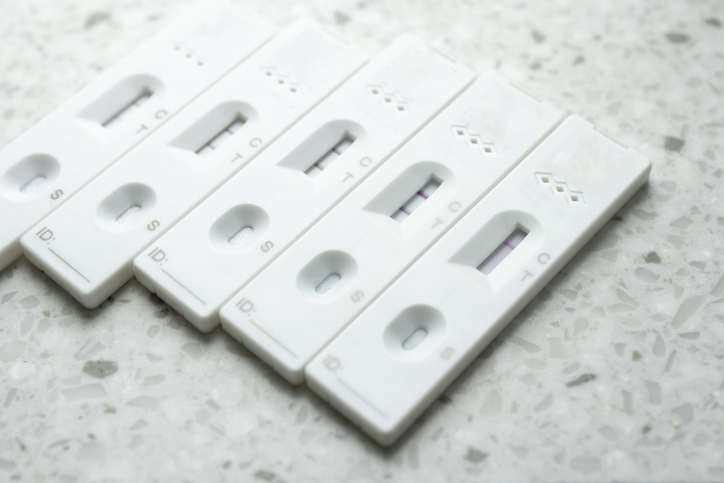
Point-of-care diagnostics are medical tests conducted at or near the site of patient care. Unlike traditional testing, which involves sending samples to a centralized facility, POC testing yields immediate results. This category encompasses a wide range of technologies, from simple lateral flow assays (like pregnancy or rapid antigen tests) to sophisticated benchtop analyzers and microfluidic "lab-on-a-chip" devices.
The value proposition is clear: speed and accessibility. In acute care settings, such as emergency rooms, rapid turnover of cardiac markers or blood gases can dictate immediate treatment decisions. In chronic disease management, glucose monitors empower patients to manage their conditions autonomously.
However, the decentralized nature of POC testing presents a unique engineering challenge. These devices must perform accurately in diverse environments, from a climate-controlled doctor's office in Boston to a rural clinic in sub-Saharan Africa. They must withstand fluctuating temperatures and long storage periods without losing sensitivity. If the reagents inside a test kit degrade before use, the diagnostic result is compromised, leading to potential misdiagnosis. This vulnerability makes reagent stabilization the most critical component of POC product development.
Advance with Lyophilization
Partner with us to achieve stability, scalability, and faster diagnostic advancement.
What is Lyophilization?
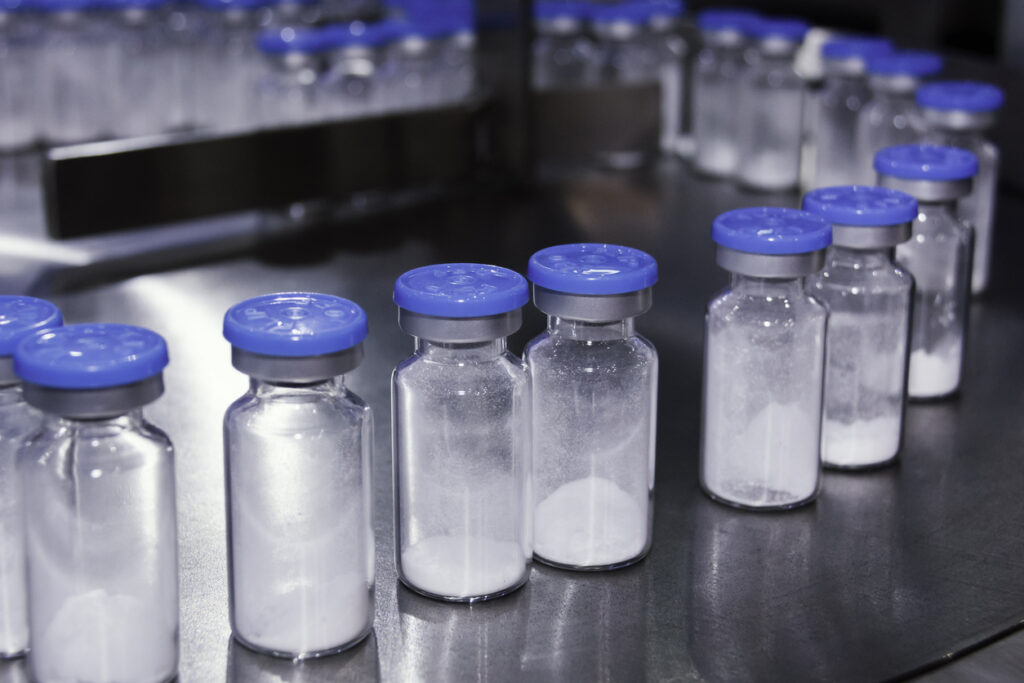
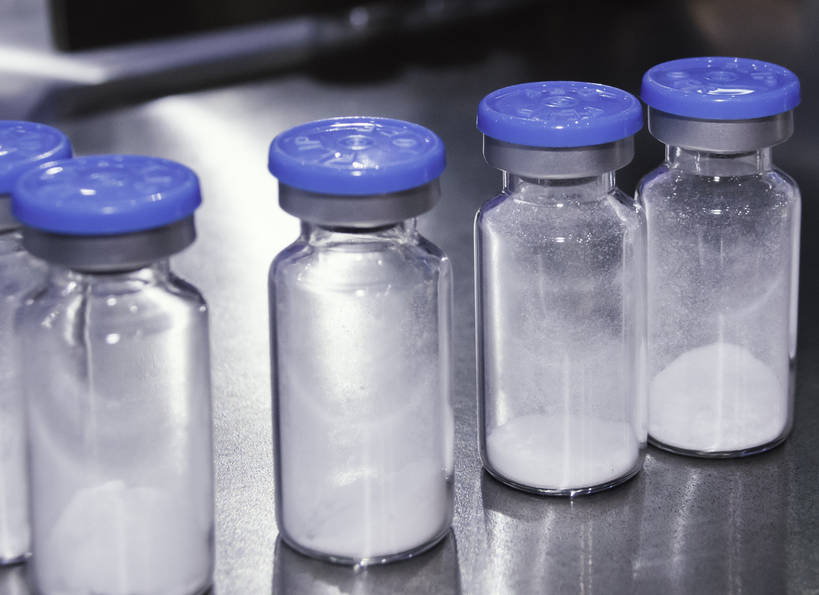
Lyophilization, or freeze-drying, is a dehydration process used to preserve perishable material and make the material more convenient for transport. It works by freezing the material, then reducing the surrounding pressure to allow the frozen water in the material to sublime directly from the solid phase to the gas phase. The pharmaceutical and food industries have utilized lyophilization technology for decades, and its application in diagnostics is particularly important. In this context, lyophilization arrests biological activity. By removing water, where most degradation reactions (like hydrolysis) occur, manufacturers can place enzymes and antibodies into a state of suspended animation. The result is a dry, solid "cake" or bead that retains its structural integrity and biological potency until it is rehydrated.
Formulation / Pre-Freeze Preparation
Before anything is frozen, reagents are mixed with components that help them remain stable during freezing and drying. Common components include:
- Buffers - maintain pH during freezing and drying.
- Cryoprotectants / Lyoprotectants (e.g., sugars, polymers) - protect proteins or nucleic acids during cold and dehydration stress.
- Bulking agents - ensure a solid, stable "cake" structure after drying.
Purpose: Prepare the material so it behaves well during the freeze-drying process and stays functional afterward.
Freezing
The formulated material is cooled until the water in it becomes solid ice.
- Create a stable frozen matrix.
- Avoid structural damage to sensitive biomolecules.
- Establish ice crystal size and distribution, which influence how easily water can be removed later.
Why this matters: Freeze‑drying only removes ice via sublimation, so proper freezing sets up the rest of the process.
Primary Drying (Sublimation)
The frozen sample is placed under reduced pressure (vacuum), causing ice to convert directly into vapor—this is sublimation.
- Most of the water is removed in this step.
- Temperature and pressure are balanced to keep the sample frozen while sublimation occurs.
- The “cake” structure takes shape.
Purpose: Remove bulk water without melting the sample.
Secondary Drying (Desorption)
After all visible ice is gone, bound water molecules remain attached to the material.
- Temperature is gradually increased (but with care).
- Remaining moisture is removed to reach very low residual water content.
Purpose: Stabilize reagents for long‑term storage at room or refrigerated temperatures.
Stoppering / Sealing
After drying is complete, vials or plates are sealed, often under a controlled atmosphere, to prevent moisture from re-entering. This process protects the dry product from humidity, ensures a long shelf life, and maintains sterility when necessary.
Storage & Reconstitution
Lyophilized reagents are typically stored at room temperature or refrigerated conditions, in sealed vials, foil pouches, or cartridges. When used, they are rehydrated with water or buffer to return them to their functional state.
Why Lyophilization is Critical for POC Diagnostics
The intersection of biology and logistics is where lyophilization proves indispensable. For manufacturers aiming to scale POC solutions, freeze-drying offers four non-negotiable advantages.
Stability and Shelf Life
Liquid reagents have a limited lifespan. Even with preservatives, they are prone to degradation over time, leading to drift in test results. Lyophilized reagents, conversely, exhibit exceptional stability. By removing moisture, we effectively stop the clock on chemical degradation. This allows diagnostic kits to sit on shelves for months or even years without losing efficacy. For manufacturers, this extends product expiration dates, reducing waste and inventory costs. For end-users, it guarantees that a test performed on the last day of its shelf life is as accurate as one performed on the first.
Temperature Tolerance and Cold Chain Independence
Perhaps the most transformative aspect of lyophilization is the elimination of the cold chain. Liquid reagents often require strict refrigeration (-20°C to 4°C) during transport and storage. Maintaining this cold chain is expensive and logistically complex, especially in resource-limited settings.
Lyophilized products are thermostable. They can often withstand ambient temperatures and even short-term exposure to heat spikes without compromising the assay's integrity. This capability allows diagnostics to be shipped via standard freight and stored in non-refrigerated warehouses. It opens up markets in developing nations and remote regions where electricity for refrigeration is unreliable or nonexistent.
Portability
Water is heavy. By removing it, the weight of the diagnostic product decreases significantly. While this may seem trivial for a single test, it impacts the logistics of shipping millions of units. Furthermore, lyophilized beads or pellets can be pre-loaded into microfluidic cartridges or test tubes. This integration allows for smaller, more compact device designs. A fully integrated cartridge containing all necessary dried reagents is easier to handle and transport than a kit requiring separate vials of liquid buffers and enzymes.
Precision and Speed
Modern lyophilization techniques allow for the creation of precise, pre-metered spheres or beads. Each bead contains an exact dosage of the necessary reagents. This eliminates the need for manual pipetting by the healthcare provider, removing a significant source of user error. When the sample (e.g., blood, saliva, or urine) is added, the highly porous structure of the lyophilized bead dissolves instantly—often in seconds. This rapid reconstitution ensures that the reaction begins immediately, maintaining the "rapid" aspect of rapid testing.
Real-World Applications and Success Stories
The impact of lyophilization is visible across the diagnostic spectrum.
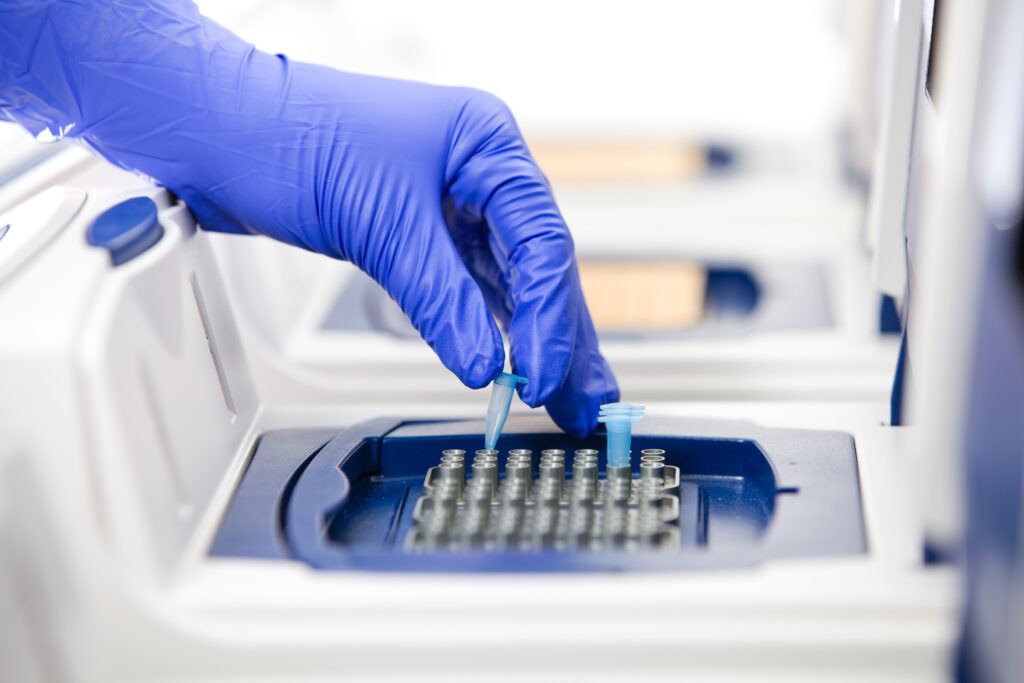
Molecular Diagnostics (PCR): Historically, Polymerase Chain Reaction (PCR) required a lab full of freezers to store Taq polymerase and primers. Today, companies are producing "lyo-ready" mixes. During the COVID-19 pandemic, the ability to ship stable, lyophilized PCR reagents globally was instrumental in scaling testing capacity. These dry reagents allowed for the deployment of decentralized molecular testing platforms that could sit on a counter in a pharmacy.
Infectious Disease in the Developing World: In the fight against Malaria and HIV, cold chain dependence is a barrier to entry. Lyophilized lateral flow tests and microfluidic devices have enabled reliable testing in tropical climates where high heat and humidity previously destroyed liquid reagents. For instance, dried blood spot testing relies on the stability principles inherent in drying biological samples, allowing for surveillance in remote villages.
Glucose Monitoring: While often electrochemical, the enzymes used in glucose sensing (glucose oxidase or dehydrogenase) require stabilization. Lyophilization techniques ensure that test strips remain active despite the varying conditions of a patient's home or daily life.
The Future of Lyophilization in POC Diagnostics
Furthermore, we are seeing the rise of Lab-on-a-Chip (LOC) integration. Innovators are printing or spotting reagents directly onto microfluidic channels and freeze-drying them in situ. This level of integration reduces device cost and complexity, pushing the boundaries of what is possible in a handheld device.
Ultimately, the goal is to democratize high-complexity testing. Lyophilization is the key enabler that will allow next-generation sequencing and advanced molecular assays to leave the ivory tower of the central lab and enter the community clinic.
Conclusion
Lyophilization is not merely a manufacturing step; it is a strategic enabler of the point-of-care revolution. By solving the fundamental problems of biological instability and cold chain dependence, freeze-drying empowers diagnostic companies to build robust, reliable, and accessible tools. For professionals in the diagnostic field, the message is clear: innovation in assay chemistry must be matched by innovation in stabilization. As we look toward a future of personalized and decentralized medicine, lyophilization will remain a critical pillar of infrastructure, ensuring that life-saving diagnostics can reach every patient, regardless of geography.
Contact us to learn more about lyophilization of your molecular reagents