Cart
Cart
 Account
 Your Orders
 Sign Out
 Sign In

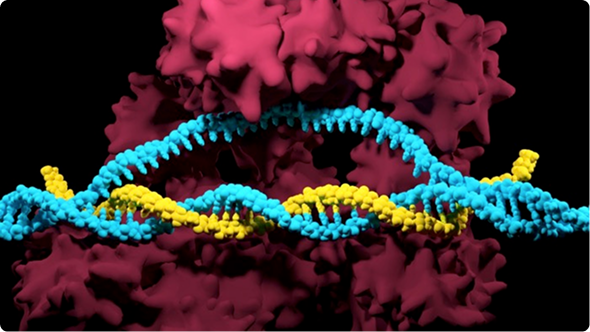
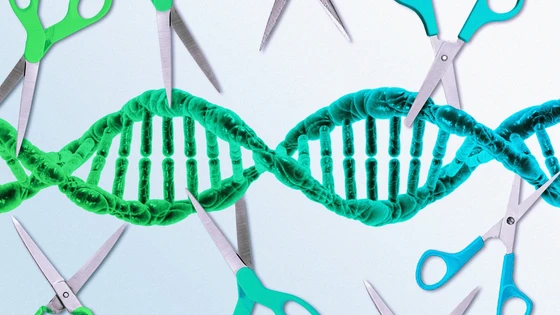
Advancements in biotechnology and gene editing tools like CRISPR are changing the agriculture industry for the better. While CRISPR is being used to produce better crops and sustainable beef, lab cultured meat is another promising alternative.
What does cultured meat mean? Does it taste the same? How is it different from regular meat? We’ll provide you with answers to all of these questions and more.
Contents
What is Lab-Grown Meat?
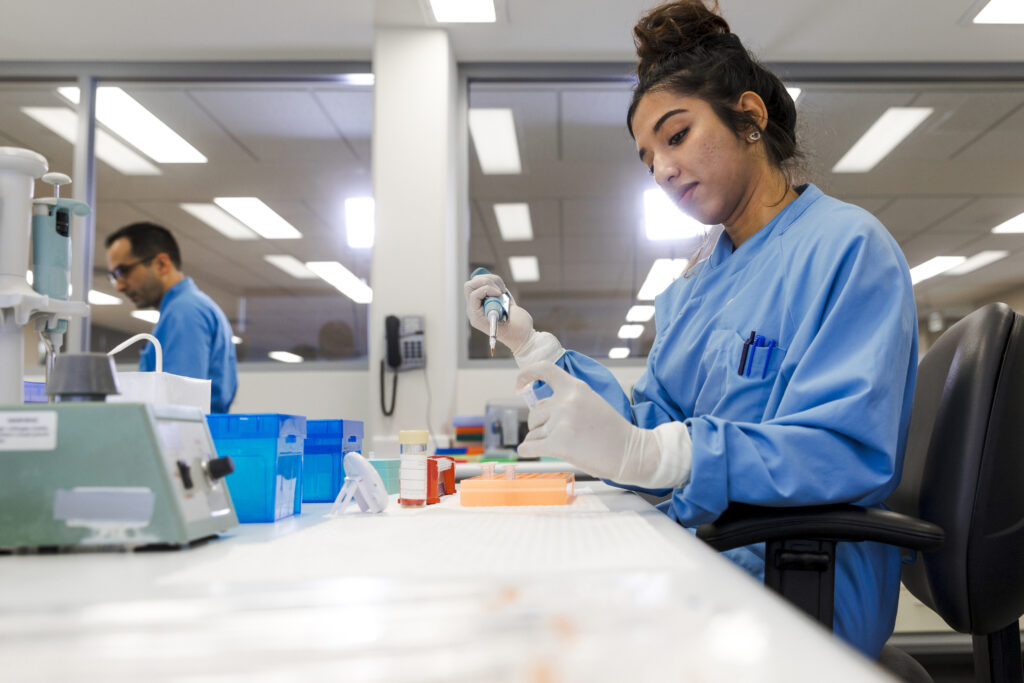
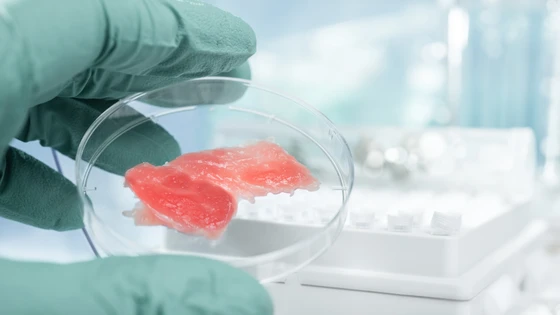
Lab-grown meat, or cultured meat, is produced through the cultivation of animal cells in vitro. Muscle cells from farm animals can be multiplied and grown into tissues at culture flasks or bioreactors, fed with nutrients using specially formulated media. Cultured meat is produced in a controlled environment, free from bacteria and disease, and offers a solution to the ethical and environmental issues surrounding livestock agriculture.
Although cultured meats are not yet commercially available, research is underway to make them market-ready within the next few years. However, significant challenges remain, including technological advances in taste, texture, and scalability, as well as reductions in production costs. Overcoming these barriers will be essential before cultured meat can become widely accessible to consumers.
Researchers are investigating how CRISPR can improve cultivated meat production by optimizing the growth and characteristics of animal cells. For example, CRISPR screens have been used to identify genes that regulate bovine stem cell proliferation, potentially helping address the scalability challenges of cultured meat production (Zirman et al., 2025).
How is Lab Meat Made?Lab grown meat starts with animal cells, typically muscle or fat cells, or stem cells that are forced to differentiate into muscle cells. These cells are cultured using the appropriate growth medium that contains nutrients that promote its growth and survival. Cells readily grow on a plate, but require some physical support to form into the 3D tissues you need to grow into meat - a paper-thin steak would not do! To aid this growth, teams often use edible scaffolds. Cells are then allowed to divide and expand to fill these scaffolds, forming the lab-grown meat ready for consumption, all the while being monitored consistently for harmful bacterial contamination.
Lab grown meat starts with animal cells, typically muscle or fat cells, or stem cells that are forced to differentiate into muscle cells. These cells are cultured using the appropriate growth medium that contains nutrients that promote its growth and survival. Cells readily grow on a plate, but require some physical support to form into the 3D tissues you need to grow into meat - a paper-thin steak would not do! To aid this growth, teams often use edible scaffolds. Cells are then allowed to divide and expand to fill these scaffolds, forming the lab-grown meat ready for consumption, all the while being monitored consistently for harmful bacterial contamination.
The History of Cultured Meat
Who came up with the idea of cultured meat, and how did it become something that might be hitting grocery store shelves soon? Through years of research and trials, and countless hours of work by numerous scientists, lab-grown meats were created. Here is a timeline of how and when genetically made meat came about:
|
Year
|
Event
|
|
Jon Vein secures a patent for the production of lab-grown meat tissue for the purpose of human consumption.
|
|
|
NASA begins experiments producing cultured meats with starter cells from turkeys.
|
|
|
Medical doctor Willem van Eelen, businessman Willem van Kooten, and dermatologist Wiete Westerhof, collectively file a patent for their process of producing cultured meat for consumption.
|
|
|
The first edible lab-grown meat sample is produced: a fish fillet made from cultured goldfish cells.
|
|
|
Tissue Culture and Art Project and Harvard Medical School used stem cells from frogs to create tissue that resembled a steak.
|
|
|
PETA offers one million dollars to the first company that can bring lab-grown chicken to the food industry.
|
|
|
Time magazine labels cultured meat one of the breakthrough ideas of the year.
|
|
|
The first lab-grown beef hamburger was consumed at a press event. The burger was created by Dr. Mark Post at Maastricht University in the Netherlands, and the event was hosted in London, England.
|
|
|
Maastricht University held their first International Conference on Cultured Meat.
|
|
|
An engineered meat startup company, Memphis Meats, posts a promo video showcasing their lab-grown meatballs.
|
|
|
An Isreali company, SuperMeat, runs a crowdfunding campaign to raise money for their efforts to bring lab-grown poultry products to market.
|
|
|
Aleph Farms and partners demonstrated cultivated beef production using cells and a 3D bioprinter aboard the International Space Station.
|
|
|
Singapore became the first country in the world to approve cultivated meat for sale, allowing Eat Just's cultivated chicken to be sold.
|
|
|
The FDA completed its first premarket consultation for cultivated meat when it issued a "no questions" letter to UPSIDE Foods for cultivated chicken.
|
|
|
Cultivated chicken was served commercially at restaurants in San Francisco and Washington, D.C.—a major transition from laboratory demonstration to paying customers.
|
|
|
High production costs, difficulty scaling bioreactors, limited consumer access, and political opposition became increasingly important barriers. U.S. restaurant launches were paused, while several states moved toward restrictions or bans.
|
|
| As cultivated meat tries to move from proof-of-concept toward industrial production, researchers are turning to CRISPR to engineer better cell lines. Recent CRISPR screens have identified genes that regulate bovine stem-cell proliferation and senescence, potentially enabling cell lines that expand more efficiently and support larger-scale production. |
How Is Lab-Grown Meat Different From Conventional Meat?
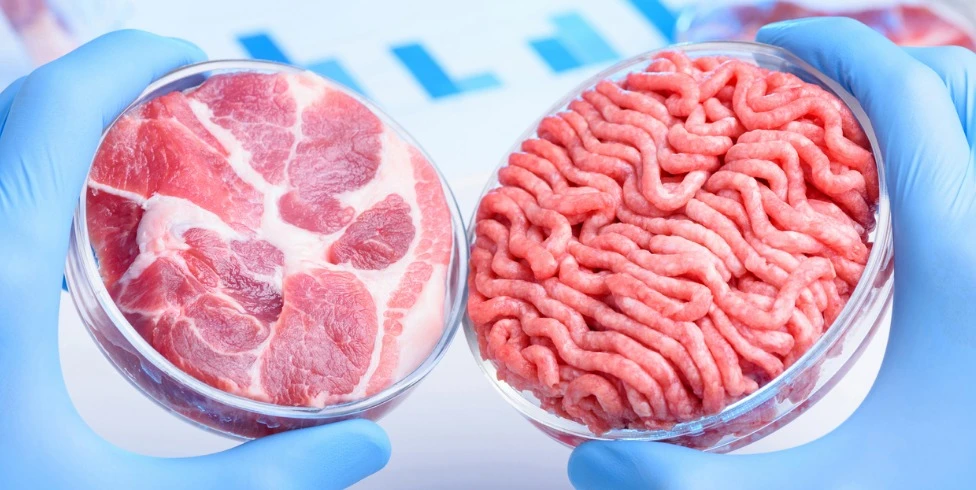
If lab produced meats are similar in appearance, texture, and taste to conventional meat, how are they different? Are the products the same? Is there a reason to choose one over the other?
Here are the ways cultured meat differs from traditionally-sourced meat:
| Lab Meat |
Conventional Meat | |
| Artificiality | Grown from animal cells in vitro i.e. in controlled lab conditions | Comes directly from animals that have been sacrificed for consumption |
| Impact on environment | More environmentally friendly due to lack of greenhouse gas production | High environmental impact with land occupancy and greenhouse gas emissions |
| Ethics | A more ethical alternative as animal cells are used | Killing animals for consumption raises ethical issues |
| Health | Harmful additives are minimized in lab grown meats | May contain additives like growth hormones, antibiotics, and other chemicals |
| Cost to produce | Due to its process, lab grown meat is currently very expensive to produce | Traditional meat is fairly affordable for an average person to buy |
Plant-Based Meat vs. Lab-Grown Meat: What’s the Difference?
A new wave of meatless meats are becoming more popular since coming to the market in the last few years, however it is important to distinguish that those are not the same as cultured meat. The meatless meats you might be familiar with are plant-based ‘meats’ and contain no animal tissue whatsoever, though can sometimes contain animal byproducts like eggs.
Plant-based meat companies such as Impossible Foods or Beyond Meat use soy, beans, tofu, vegetables, grains, mushrooms, and other non-meat products. In order to make these plant products taste like beef, these companies use special recipes of vegetable products - in case of Beyond Meat, beet juice for the red color, pea and rice proteins for the protein source and so on. Impossible Foods takes a different approach - they use genetically modified ingredients to produce heme proteins in soy and yeasts, which are responsible for the iron rich taste and red color of beef.
Plant-based meats are an alternative to cultured meat products for individuals that would like an animal-free diet. Meanwhile, lab cultured meats offer a more synonymous product to traditional beef products, and may offer a sustainable and more ethical alternative to agricultural meat products, with more similar dietary, flavor, and nutritional profiles compared to plant-based meats.
How CRISPR Could Help Bring Lab-Grown Meat to the Table
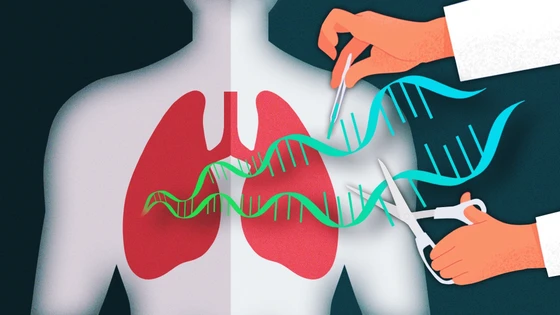
When we think about CRISPR, it’s easy to picture its growing role in medicine—but gene editing has possibilities far beyond therapeutics. Cultivated, or lab-grown, meat is one emerging area of science where CRISPR could help shape the future of food.
The animal cells used for lab-grown meat production are supported by highly optimized growth conditions, however these alone are not enough to bring them up to the economic or taste standards to agricultural meat products. The cells themselves also need to be optimized for the purpose. Researchers are exploring CRISPR to fine-tune these cellular traits, from improving cell growth and differentiation to optimizing nutritional and sensory characteristics. In a recent study, scientists used a pooled CRISPR screen to identify genes that influence bovine stem-cell proliferation, and reducing senescence, which eventually stops the cell's ability to divide.
Another area where CRISPR could make a difference is in developing specialized meat products for people with allergies or other life-threatening dietary conditions. A team from the University of North Carolina at Chapel Hill recently used a CRISPR-Cas9 knockout strategy to generate bovine muscle cells without alpha-gal, a carbohydrate found in most mammalian meats. Alpha-gal is associated with Alpha-gal Syndrome (AGS), a potentially life-threatening allergy that can cause reactions ranging from hives and gastrointestinal symptoms to anaphylaxis. By disrupting the GGTA1 gene responsible for producing alpha-gal, the researchers eliminated detectable alpha-gal from bovine satellite cells while preserving their ability to differentiate into muscle cells, providing an early proof of concept for producing cultivated meat designed to be compatible with people living with this allergy.
As cultivated meat continues to develop, CRISPR offers another reminder that genome editing is not just a tool for treating disease—it can also help us rethink how we grow, produce, and improve the food we eat.
Want to take a bite into CRISPR research?
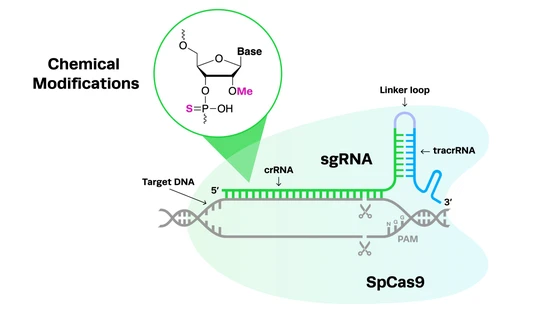
As CRISPR helps researchers explore new possibilities for sustainable, secure food production, Synthego’s Research-Grade sgRNA delivers reliable editing performance with consistent quality and purity—so you can focus on advancing your research with confidence.

Challenges of Working with Lab Cultured Meat
In addition to the societal stigma that lab made meat faces, there are other challenges that come along with creating meat products that resemble traditionally-sourced meats, including replicating texture, appearance, and taste. Here are some of the main difficulties:
High Production CostsOne of the biggest challenges facing cultivated meat is its cost of production. Growing cells successfully in a laboratory does not necessarily mean they can be produced efficiently at an industrial scale. Cells require carefully formulated culture media containing nutrients, proteins, and growth factors, many of which remain expensive at large volumes. In fact, recent research estimates that serum-free media can account for at least 50% of variable operating costs. Reducing these input costs will be critical for achieving price parity with conventional meat.
When it first came out in 2013, the first lab grown burger used cost around $330,000 to produce, according to Memphis Meats. More than 10 years later, technological breakthroughs on this front have pushed down these prices dramatically - GOOD Meat's website reports that their chicken dishes are down to $23 SGD (about $18 USD), and can be found for as low as $4 SGD (about $3 USD) at hawker stalls.
One of the biggest challenges facing cultivated meat is its cost of production. Growing cells successfully in a laboratory does not necessarily mean they can be produced efficiently at an industrial scale. Cells require carefully formulated culture media containing nutrients, proteins, and growth factors, many of which remain expensive at large volumes. In fact, recent research estimates that serum-free media can account for at least 50% of variable operating costs. Reducing these input costs will be critical for achieving price parity with conventional meat.
When it first came out in 2013, the first lab grown burger used cost around $330,000 to produce, according to Memphis Meats. More than 10 years later, technological breakthroughs on this front have pushed down these prices dramatically - GOOD Meat's website reports that their chicken dishes are down to $23 SGD (about $18 USD), and can be found for as low as $4 SGD (about $3 USD) at hawker stalls.
Scaling Up ProductionCultivated meat requires large bioreactors capable of maintaining consistent oxygen levels, nutrient availability, temperature, and mixing while supporting high cell densities. As production volumes increase, these conditions become increasingly difficult to control. Developing reliable, cost-effective bioprocesses remains one of the industry's biggest hurdles.
Cultivated meat requires large bioreactors capable of maintaining consistent oxygen levels, nutrient availability, temperature, and mixing while supporting high cell densities. As production volumes increase, these conditions become increasingly difficult to control. Developing reliable, cost-effective bioprocesses remains one of the industry's biggest hurdles.
Achieving the Right Taste and TextureRecreating the taste and texture of conventional meat is more complicated than simply growing muscle cells. Traditional meat contains an intricate combination of muscle fibers, fat, connective tissue, and other components that contribute to its structure and flavor. These structures develop over the course of the animal's life, making it difficult to replicate with simple tissue culture models. Cultivated meat therefore needs technologies such as scaffolds, tissue engineering, and improved cell differentiation to produce more complex, meat-like structures.
Recreating the taste and texture of conventional meat is more complicated than simply growing muscle cells. Traditional meat contains an intricate combination of muscle fibers, fat, connective tissue, and other components that contribute to its structure and flavor. These structures develop over the course of the animal's life, making it difficult to replicate with simple tissue culture models. Cultivated meat therefore needs technologies such as scaffolds, tissue engineering, and improved cell differentiation to produce more complex, meat-like structures.
Regulatory and Consumer AcceptanceBefore cultivated meat can become widely available, products must satisfy food-safety regulations and undergo regulatory review in individual markets. Regulatory frameworks are still developing in many countries, while consumers may have questions about safety, nutrition, labeling, and how cultivated meat is produced. Building public confidence alongside clear regulatory pathways will therefore be important for moving cultivated meat from limited commercialization toward broader adoption.
Before cultivated meat can become widely available, products must satisfy food-safety regulations and undergo regulatory review in individual markets. Regulatory frameworks are still developing in many countries, while consumers may have questions about safety, nutrition, labeling, and how cultivated meat is produced. Building public confidence alongside clear regulatory pathways will therefore be important for moving cultivated meat from limited commercialization toward broader adoption.
5 Companies Producing Lab Cultured Meats
There are now several companies working on bringing lab-grown meat and seafood products to consumer markets worldwide. Here’s a rundown of five awesome companies creating these products:
1. Memphis Meats / UPSIDE Foods

Founded in 2015 as Memphis Meats, UPSIDE Foods set out to develop meat and poultry grown directly from animal cells rather than through traditional animal agriculture. The company made headlines in 2016 by creating the world’s first cultivated beef meatball, followed in 2017 by the world’s first cultivated chicken and duck.
In 2021, Memphis Meats rebranded as UPSIDE Foods to reflect its broader vision for transforming the food system. Under the leadership of CEO and founder Dr. Uma Valeti, the company opened its Engineering, Production, and Innovation Center (EPIC), a pilot-scale production facility designed to advance cultivated meat from the laboratory toward commercial production.
UPSIDE reached a major regulatory milestone in 2022, becoming the first cultivated-meat company to complete an FDA pre-market consultation for its cultivated chicken. In June 2023, it received USDA approval, clearing the way for commercial production and sales in the United States. The company subsequently introduced its cultivated chicken in limited quantities through restaurant partners, including San Francisco's Bar Crenn.
Today, UPSIDE Foods continues to focus on scaling cultivated chicken production and improving the technology needed for broader commercialization. The company says its platform has the potential to produce millions of pounds of cultivated chicken from cells obtained from a single chicken egg, while reducing the land, water, and other resources associated with conventional meat production.
2. Good Meat / Eat Just

Founded in 2011, Eat Just is a food technology company best known for its plant-based JUST Egg and its cultivated meat division, GOOD Meat. In 2020, GOOD Meat made history when Singapore approved its cultivated chicken for sale, making it the first cultivated meat product to receive regulatory approval anywhere in the world. The company initially served its chicken in restaurants and later expanded to hawker stalls and food delivery platforms.
GOOD Meat achieved another major milestone in 2023, when it became one of the first companies to receive both FDA and USDA clearance for cultivated meat in the United States. The approvals allowed its cultivated chicken to be produced and sold commercially, and GOOD Meat partnered with chef José Andrés for its first U.S. restaurant launch.
Today, Eat Just continues to position GOOD Meat as a pathway toward producing real meat without raising and slaughtering animals. However, the company (and the broader cultivated meat industry) still faces significant challenges in scaling production and reducing costs enough for widespread consumer access.
3. Finless Foods

As their slogan states, Finless Foods offers you “sustainable seafood, without the catch.” They are bringing sustainable, cell-based seafood products to your table, starting with bluefin tuna. This achievement would help solve the environmental problem that commercial fishing is causing, and would improve the nutritional quality of the fish being consumed.
4. Mosa Meat

Mosa Meat was founded in 2016 by scientists Mark Post and Peter Verstrate to commercialize the technology behind the world’s first cultivated beef burger, which was unveiled in London in 2013. The €250,000 burger demonstrated that real beef could be produced directly from animal cells, establishing a foundation for the modern cultivated-meat industry. Since then, Mosa Meat has focused on improving the taste and texture of cultivated beef while developing scalable, cost-effective production methods.
More recently, Mosa Meat has shifted its focus toward commercialization. In January 2025, the company submitted its first EU Novel Foods application for cultivated beef fat, followed by a UK market authorization request in May. In December 2025, Mosa Meat announced an additional €15 million in funding and reported a 99.999% reduction in production costs compared with its original 2013 burger. The company is now preparing for larger-scale production and regulatory approval, with the goal of bringing cultivated beef to consumers.
5. Vow

Founded in 2019 in Sydney, Australia, Vow has taken a different approach to cultivated meat by focusing on novel, premium foods rather than trying to replicate conventional meat. The company initially explored cells from dozens of animal species before selecting Japanese quail as a promising candidate for cultivated products. In 2024, Vow launched its cultivated quail products under the Forged brand in Singapore, including a cultivated quail foie gras designed for high-end restaurants.
Vow reached another major milestone in June 2025, when Food Standards Australia New Zealand (FSANZ) approved its cultivated Japanese quail for sale in Australia and New Zealand—the first cultivated meat product approved in the region. The company has since expanded the availability of its Forged products through restaurants and retail channels in Australia, while continuing to pursue international expansion.
Rather than positioning cultivated meat simply as a sustainable replacement for conventional meat, Vow aims to create foods that are difficult or impossible to produce through traditional agriculture. This strategy has allowed the company to target premium culinary markets while it continues working on the larger challenge of scaling cultivated meat production and lowering costs.
Resources to Learn More About Cultured Meats
Looking to learn more about genetically modified meat, how it is made, and when you might get to use it in your favorite home-cooked meals? Check out these awesome resources for more information on cultured meats:
- Good Food Institute - What Is Cultivated Meat?: Start here for a simple introduction to cultivated meat. This resource explains how it is made, how it compares with conventional meat, and why researchers are exploring it as an alternative way to produce meat.
Good Food Institute: What Is Cultivated Meat? - Nature - Lab-Grown Meat: Curious about the science behind lab-grown meat? This news post by Nature takes a closer look at how scientists grow animal cells and turn them into meat, while also exploring the challenges of producing cultivated meat at a larger scale.
Nature: Lab-Grown Meat - UC Davis - Lab-Grown Meat in the Food Industry: UC Davis published an overview on how lab-grown meat is produced and how it stacks up against conventional meat.
UC Davis: Lab-Grown Meat in the Food Industry - FDA - Human Food Made with Cultured Animal Cells: Want to understand what regulatory authorities think about lab grown meat products? The FDA’s guide breaks down how meat can be made from animal cells and explains how these products are evaluated for food safety.
FDA: Human Food Made with Cultured Animal Cells - Food Standards Agency - What Is “Lab-Grown Meat”?: The Food Standards Agency’s guide tackles some of the most common questions consumers have about this emerging food technology.
Food Standards Agency: What Is “Lab-Grown Meat”?
Want to learn more about CRISPR?
CRISPR has quickly become a standard laboratory tool for gene editing. As the adoption of CRISPR accelerates worldwide, up-to-date knowledge of the basics of CRISPR is essential for anyone in the field. Let Synthego be your guides in this exciting field through our comprehensive guides on CRISPR techniques.
Take a look at our CRISPR fundamentals guide to start your CRISPR journey!