Learn more Webcast featuring eSpOT-ON
Explore More eSpOT-ON Nuclease Protein Available Now
Explore More Order eSpOT-ON Nuclease mRNA Now
PRODUCT

Reverse Transcription Recombinase Polymerase Amplification (RT-RPA) Endpoint RNA Detection Kit

Rapid isothermal RNA detection (RT-integrated)

Integrates reverse transcription with endpoint RPA for fast RNA detection at low constant temperatures. Lyophilized 2× mix simplifies setup for gel or lateral‑flow analysis in ~10–20 minutes.

  • RT integrated for RNA targets
  • Rapid results in ~10–20 minutes
  • 37–42 °C low‑temperature detection
  • Endpoint readout via gel or lateral flow

Select a Size

Reverse Transcription Recombinase Polymerase Amplification (RT-RPA) Endpoint RNA Detection Kit (8 rxn)

#MM32RTRPABASE-Sm

Product Specifications

Product Number MM32RTRPABASE
Function RT-RPA chemistry for endpoint detection
For Use In Rapid RNA target detection
Source Recombinant E. coli
Shipping Conditions Ambient
Storage Temperature Ambient
Stability ≥12 months
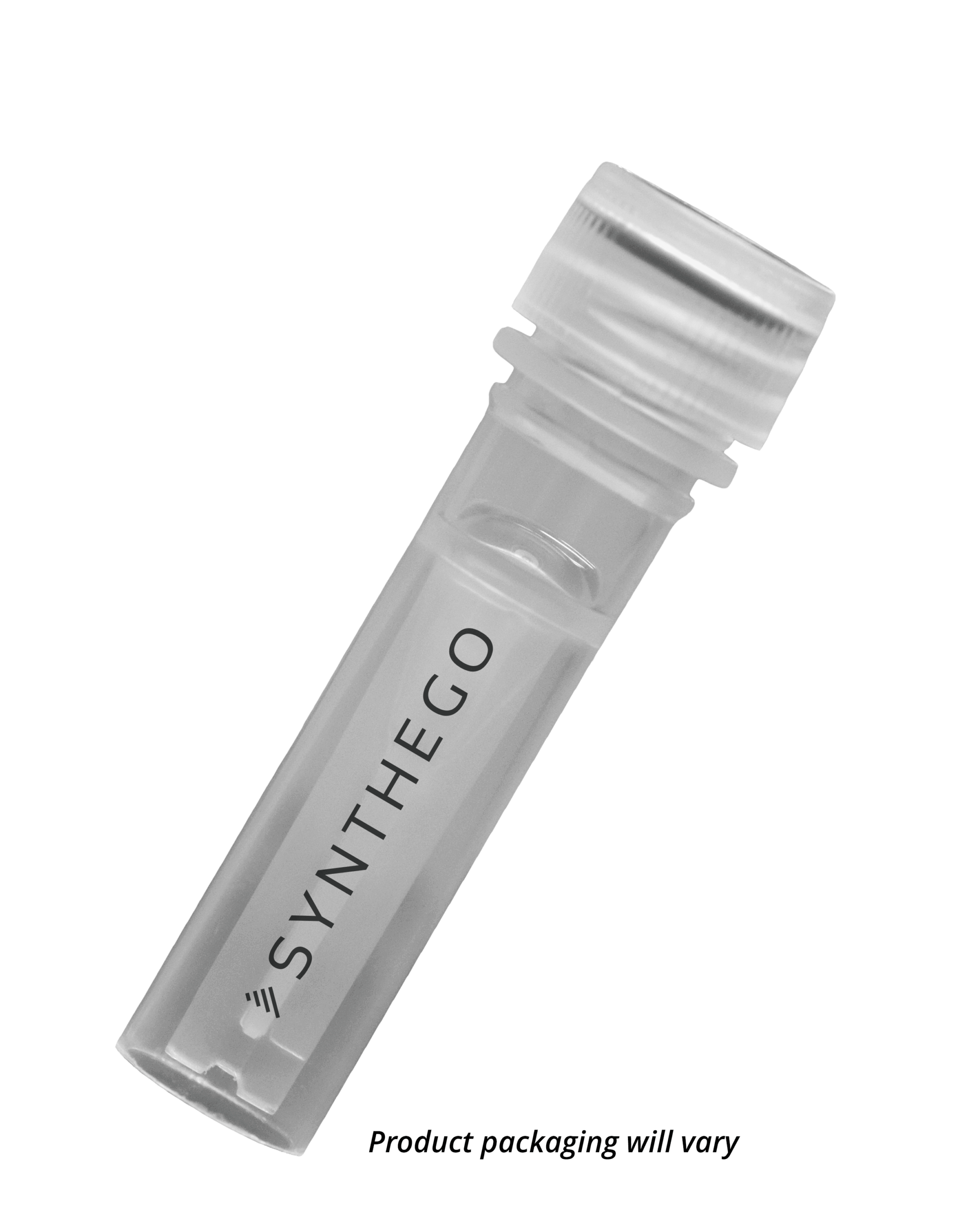
Delivery Format Tubes
Intended Use This product is for research use only

Rapid RNA Detection at Low Temperatures

The RT-RPA Endpoint Kit is a ready-to-use, high-performance solution for ultra-rapid RNA amplification under isothermal conditions. Designed to operate at constant low temperatures (37°C–42°C), this kit eliminates the need for thermal cycling, enabling sensitive and specific RNA detection in as little as 10 to 20 minutes. Its lyophilized format ensures stability for ambient transport and storage, making it ideal for point-of-care and field-based applications.

Powered by a proprietary reverse transcriptase optimized for isothermal amplification, the kit ensures accurate and efficient cDNA synthesis within the reaction. It is carefully formulated for endpoint detection with compatibility for lateral flow and electrophoresis readouts, delivering clear and reliable results with minimal hands-on time. Its robust performance across diverse sample types, including crude extracts, makes it a versatile tool for time-critical diagnostics and research applications.

Key Features

  • Ready-to-Use Lyophilized Master Mixes: Stable for ambient storage and transport, eliminating the need for refrigeration. Perfect for point-of-care and remote settings.
  • Ultra-Rapid Amplification: Achieves highly sensitive RNA detection in just 10–20 minutes.
  • Proprietary Reverse Transcriptase: Engineered for efficient cDNA synthesis at isothermal temperatures.
  • Robust Performance: High efficiency and specificity across diverse sample types, including crude extracts.
  • Isothermal Operation: Functions at constant low temperatures (37°C–42°C), removing the need for thermal cycling.
  • Customizable Components: Tailor high-purity reagents to your unique assay conditions.

Applications

  • Pathogen Detection: Rapid and reliable low-copy RNA amplification for clinical diagnostics.
  • Environmental Testing: Ideal for monitoring contaminants using portable devices in field-based settings.
  • Assay Development: Scalable RNA amplification from research to high-throughput workflows.
  • Flexible Readouts: Compatible with lateral flow, electrophoresis, and other endpoint detection methods.

Custom Component Options

We offer flexible customization to meet your specific needs:

  • Volume: Optimize packaging sizes to match your application scale.
  • Concentration: Customize concentrations for optimal performance.
  • Formulation: Available in liquid and lyophilized formats to suit your protocols.

Quality

Individual kit components are tested before and after formulation and post-lyophilization.

Functional assay
The performance of the reconstituted LyoBead is confirmed by an RPA reaction.

Frequently Asked Questions

What is Reverse Transcription Recombinase Polymerase Amplification (RT-RPA) and how does it work?
Reverse transcription recombinase polymerase amplification, or RT-RPA, is a remarkable isothermal RNA amplification method that does not need thermal cyclers, operates at 37-42 ºC, and provides exponential amplification of the targets.

The RT-RPA process integrates reverse transcription to convert the target region to cDNA first, then RPA process begins when recombinase proteins bind to primers and search for matching sequences along the cDNA to hybridize. After the recombinase disassembles, a strand-displacing DNA polymerase elongates the primer, and repeated cycles of this reaction lead to exponential RNA target amplification. For more information, refer to our comprehensive guide to the mechanisms and methods of RT-RPA.

What types of samples and targets can I use with RT-RPA Endpoint kits?
Our RT-RPA Endpoint RNA Detection Kits are greatly suited for highly sensitive RNA detection in just 10-20 minutes for point-of-care and low-resources, field-based settings where performance, speed, and flexibility are key. A wide range of sample types are compatible with the RT-RPA Endpoint RNA Detection kits, including crude extracts in addition to purified nucleic acids.

What materials and equipment do I need for RT-RPA?
To perform an RT-RPA ednpoint reaction with our kits, you’ll need:

  • A pair of forward and reverse primers
  • Nuclease-free water
  • Pipettes with sterile tips
  • Sterile tubes
  • Gloves

Depending on your specific method of endpoint detection, you may also need detection probes.

Equipment:
A heat block, water bath, or incubator is sufficient for a controlled, constant reaction temperature between 37 ºC and 42 ºC. A regular PCR thermal cycler works, too.

For endpoint detection, you’ll need a compatible signal detection system. Common options include:

  • Colorimetric detection, commonly adopted in lateral flow assays
  • Electrophoresis-based detection
  • Other endpoint detection methods suited to your experimental design

Can I use PCR primers for RT-RPA assays?
For optimal results, it is recommended to extend the length of target-specific PCR primers for the use in RT-RPA experiments.

Optimal RT-RPA primers for our kits should be between 30 and 35 nt with a GC content between 30 and 60%. They should not be longer than 45 nt. Hence, RT-RPA primers are slightly longer than common PCR primers (usually 18 to 30 nt). Considerations for reducing secondary structures (e.g., hairpins) and primer-dimer formations in primer design apply to RT-RPA primers, too.

Please also design the primers so that the amplicons are between 80 and 200 bp, and should not exceed 400 bp, to achieve efficient and robust amplification.

What primer concentration should I use for RT-RPA?
Optimal final primer concentration should be determined through titration testing for each specific assay. A good starting point is usually 0.4 – 0.5 µM of each primer in a 50-µL reaction, and one should adjust based on the assay performance.

Ready to get started?

Get in touch