Cart
Cart
 Account
 Your Orders
 Sign Out
 Sign In

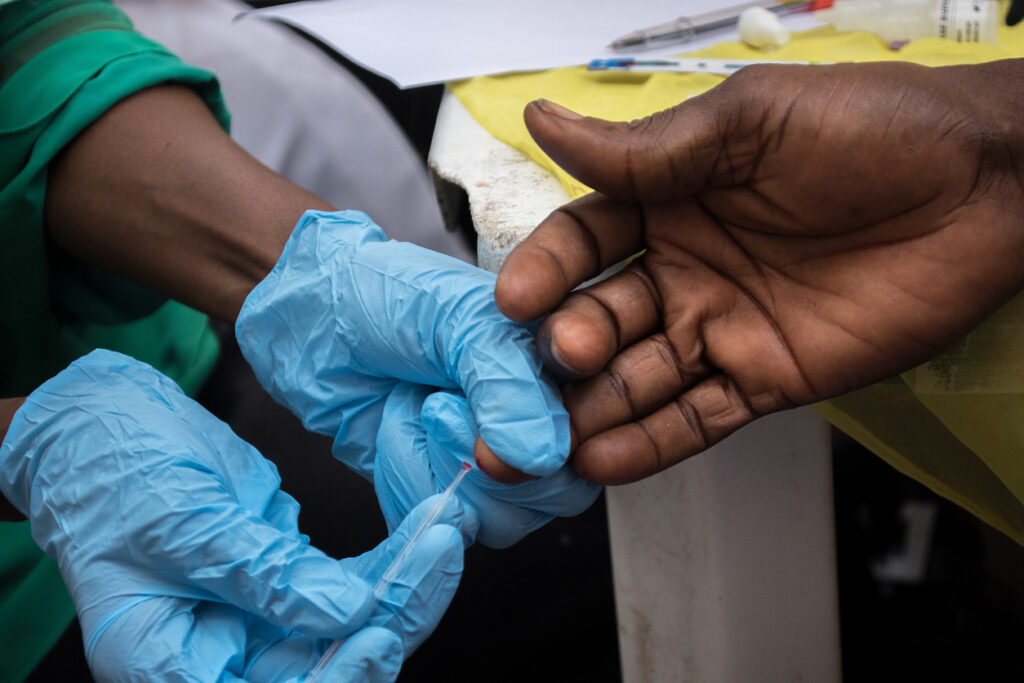
You are likely familiar with the three most common approaches: polymerase chain reaction (PCR), loop-mediated isothermal amplification (LAMP), and recombinase polymerase amplification (RPA). Together, they form a flexible toolkit that spans everything from highly sensitive lab-based testing to rapid detection closer to the point of care. As the need for faster answers and broader access continues to grow, knowing how to use these technologies together becomes just as important as understanding each one individually.
Your PCR Success Starts Here
From DNA polymerases, reverse transcriptases, and nucleotide solutions, we have the tools you need for consistent, high-quality results—even with challenging templates.
Why Molecular Diagnostics Matter in Infectious Disease
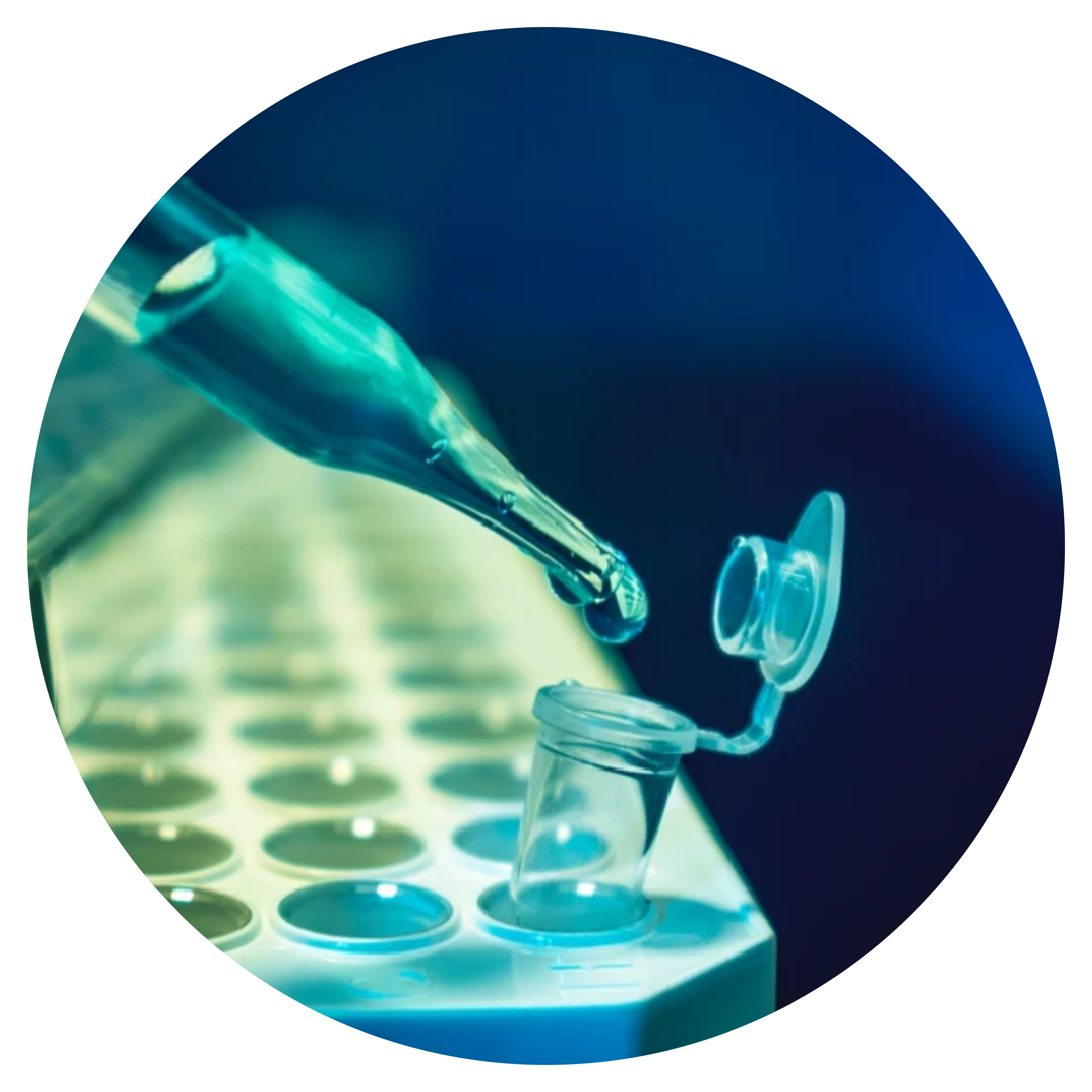
In infectious disease diagnostics, the key advantage of these molecular methods is simple: they enable earlier, decisive detection compared to alternative approaches. Instead of waiting for a pathogen to grow in culture or relying on antigen testing, you are detecting pathogenic genetic material directly. This allows you to diagnose infections at lower sample concentrations, differentiate between closely related organisms, and, in many cases, identify issues before symptoms fully escalate. It also enables variant tracking and more targeted treatment decisions, which are increasingly important in both clinical care and public health.
For most modern workflows, molecular diagnostics are not a replacement for traditional methods. They are the layer that adds speed, sensitivity, and specificity where it matters most.
The Reality for Physicians: When Timing Shapes Decisions
From the clinical side, the challenge isn’t just getting the right answer, it’s getting it at the right time. Even highly accurate tests lose value if results come back too late to influence care. That’s why physicians often end up making decisions in parallel with diagnostics: starting empiric treatment, adjusting based on symptoms, and then confirming once results are available.
In practice, this creates a constant tradeoff. Faster, more accessible tests can guide immediate decisions but may lack the depth or sensitivity of centralized methods. More definitive tests like PCR provide confidence but often require waiting on lab turnaround times. This gap between speed and certainty is what’s driving interest in more flexible molecular workflows that can deliver actionable results earlier without sacrificing reliability.
The Challenge for Diagnostic Developers: Designing Across Use Cases
If you are developing infectious disease assays, you are not solving for a single testing environment. You are building for a range of settings, where performance, usability, and adaptability all need to work together. In practice, that means you are constantly balancing a few competing demands:
- Designing across multiple settings: What works in a centralized lab does not always translate to point-of-care or field use. Each setting comes with its own constraints, whether that is equipment, workflow complexity, or user expertise.
- Balancing simplicity with performance: Making a workflow faster or easier to use often comes at a cost. Improving accessibility can introduce tradeoffs in sensitivity, robustness, or reproducibility, and finding the right balance is rarely straightforward.
- Keeping up with evolving pathogen targets: The targets themselves are not static. New pathogens emerge, known ones evolve, and your assay designs need to keep up while still meeting regulatory expectations and development timelines.
- Translating performance to real-world use: Strong performance in controlled conditions does not always hold up in practice. Sample types vary, environments are less predictable, and access to equipment or trained personnel is not guaranteed. Turning a technically sound assay into something that is reliable, scalable, and deployable takes more than good data.
There is no universal solution. The most effective approaches tend to be modular, built around technologies that can be tuned or combined depending on the application. Rather than choosing a single method, many workflows layer technologies together, using rapid methods for screening or triage and more sensitive methods for confirmation. With that in mind, the question becomes less about which technology is “best” and more about where each one fits in your workflow. PCR is often the starting point, setting the standard for sensitivity, specificity, and reliability in centralized testing.
Customize Your Kit
Tailor your PCR or isothermal amplification workflows with customizable PCR reagents and RPA kits designed to meet your specific diagnostic or research needs. From optimized reaction conditions to lyophilization, our flexible solutions ensure precision and reliability for any application.

PCR: The Standard in Centralized Testing
If your priority is absolute confidence in your results, PCR remains the benchmark. It's the method many diagnostic workflows are built around, especially when you need to detect extremely low levels of a pathogen and quantify exactly how much is present. One of the reasons PCR is so trusted is that it combines strong sensitivity with high specificity, using carefully designed primers and probes to zero in on the target. With real-time PCR, you can also measure pathogen load instead of simply confirming presence. With standardized protocols, validated assays, and high-throughput instruments for PCR, it's easier to generate consistent, comparable results across labs and over time. This combination of performance and standardization is why PCR continues to anchor everything from routine clinical testing to national surveillance programs.
Where PCR Fits Best
- Confirmatory testing when results need to be definitive
- Clinical reference laboratories with established infrastructure
- Large-scale screening and surveillance programs
- Situations where quantitative data (e.g., viral load) informs clinical decisions
What to Keep in Mind
- Infrastructure requirements: Specialized equipment and lab space are essential
- Longer turnaround times: Shipping samples and batching runs can delay results
- Operational complexity: Multiple steps increase hands-on time and potential bottlenecks
A Real-World Example
Think back to the early stages of the COVID-19 pandemic. When accuracy mattered most, confirming infections, tracking viral spread, and validating new testing approaches, PCR was the method healthcare systems relied on. Central labs used high-throughput qPCR workflows to process thousands of samples per day, ensuring that positive cases were identified with high confidence. Even as rapid tests became more common, PCR remained the referee test, the one used to confirm uncertain or critical results. That level of performance does come with tradeoffs. PCR depends on thermocyclers, trained personnel, and controlled lab environments. You are also looking at multi-step workflows that include sample prep, amplification, and detection, which add time and complexity.
In practice, that often means sending samples to a central lab and waiting hours, or even days, for answers. And when speed or accessibility becomes just as important as accuracy, that’s where isothermal amplification methods come in, offering a way to simplify workflows and deliver faster results without relying on complex lab infrastructure.
The Rise of Isothermal Amplification
When PCR’s lab requirements or turnaround times start to slow your workflow, isothermal amplification gives you a more flexible option. Instead of relying on repeated temperature cycling, these methods operate at a constant temperature, helping you simplify your workflow, reduce equipment requirements, and bring testing closer to where results are needed most. Whether you are working in a decentralized lab, developing a point-of-care assay, or looking to accelerate time to answer, that flexibility can make a meaningful difference.
Two of the most widely used isothermal approaches are loop-mediated isothermal amplification (LAMP) and recombinase polymerase amplification (RPA), each designed to solve different challenges depending on your application. Let’s start with LAMP, a well-established method that offers a strong balance of speed, sensitivity, and operational simplicity.
LAMP: Simplifying Decentralized Workflows
If you need faster molecular testing without the complexity of a traditional PCR setup, LAMP offers a practical alternative. Loop-mediated isothermal amplification (LAMP) is widely used in infectious disease screening because it can deliver results in under an hour using simpler equipment, making it a strong fit when testing needs to happen closer to the point of care.
For your workflow, LAMP can offer a strong balance between performance and ease of use. Compared with PCR, it is generally more forgiving when working with challenging sample types, which can reduce how much sample prep is needed. It also supports simple detection methods, including color-changing readouts that make results easy to interpret without specialized instruments. That makes LAMP especially useful when speed, simplicity, and accessibility matter more than advanced multiplexing or precise quantification. LAMP solves many of the practical limitations that make PCR harder to deploy outside centralized labs. But if your workflow calls for even faster amplification, lower operating temperatures, or greater flexibility with sample handling, RPA may be a better fit.
Read more about the technical trade-offs in our article: RPA vs. LAMP: Choosing the Right Isothermal Amplification Method.
Where LAMP Fits Best
- Rapid screening in decentralized or near-patient settings
- Resource-limited environments with minimal equipment
- Workflows that benefit from simple, easy-to-read results
What to Keep in Mind
- More complex assay design: LAMP requires multiple primers for each target, which can make assay development more involved
- Temperature requirements: LAMP still requires a stable heat source, typically around 60–65°C
- Limited multiplexing: Detecting multiple targets in a single assay can be more challenging
Use our RPA assay checklist to optimize your workflow
We help you avoid common pitfalls with a step-by-step guide
RPA: The Catalyst for Low-Barrier Detection
If your priority is getting answers as quickly as possible, RPA offers one of the fastest molecular amplification options available. Recombinase Polymerase Amplification (RPA) operates at a low, constant temperature, typically between 37°C and 42°C, which means you do not need the complex heating and cooling cycles required for PCR. That simpler setup, combined with amplification times as fast as 5-20 minutes, makes RPA a strong fit when speed, flexibility, and minimal setup requirements matter.
For your workflow, RPA can be especially valuable when testing needs to happen closer to the point of care or when sample preparation needs to be kept to a minimum. Because RPA is generally more tolerant of challenging sample types, it can often work with simpler inputs like blood, urine, or saliva with less upfront processing. It is also highly adaptable, whether you are building a rapid field-ready assay, integrating with CRISPR-based detection, or designing a more automated testing platform.
Where RPA Fits Best
- Time-sensitive clinical decision-making, such as infectious disease management or antimicrobial resistance testing
- Decentralized testing environments, including pharmacies, urgent care settings, and field clinics
- Workflows using minimally processed samples like blood, urine, or saliva
- Rapid pre-amplification for CRISPR-based diagnostic assays
What to Keep in Mind
- Enhanced specificity: While RPA is highly effective as a standalone solution, it offers the unique flexibility to integrate with CRISPR for "gold-standard" specificity and ultra-fine target discrimination. Read more here → Integrating RPA and CRISPR for Rapid Diagnostics: A Comprehensive Guide.
- Flexible detection methods: Readout options range from simple visual formats to fluorescence-based systems, so workflow complexity can vary. Learn more about endpoint vs real-time RPA in our guide.
- Versatile across settings: RPA can work well in low-power field settings, near-patient testing environments, and more automated lab workflows. That gives you room to design around your actual use case instead of forcing every assay into the same testing model.
A Real-World Example
Imagine a hospital patient with signs of a serious infection. Treatment decisions need to happen quickly, but waiting hours or days for centralized lab results often means starting broad-spectrum antibiotics as a precaution. While sometimes necessary, that approach can contribute to antimicrobial resistance and may not be the most effective treatment.
With an RPA-based workflow, testing can happen much closer to where care is being delivered. Because RPA works quickly and can often handle less processed samples, your team may be able to identify the target pathogen in minutes rather than hours. That faster insight can help support earlier, more targeted treatment decisions.
Ready to get started with Synthego's RPA Kits?
Synthego offers a portfolio of customizable RPA kits engineered for maximum efficiency and specificity. Our tools are designed to streamline and adapt to your workflow to deliver the quality your application demands.

RPA in Action: Tackling Neglected Tropical Diseases and Emerging Threats
The value of RPA becomes especially clear when testing needs to happen outside traditional lab settings or in situations where speed and access can directly impact outcomes. From emerging viral outbreaks to neglected tropical diseases, RPA is helping make molecular testing more practical in places where conventional approaches may be too slow, too complex, or too resource-intensive.
Detecting Mosquito-Borne Viruses
When multiple viruses cause similar symptoms, getting the diagnosis right matters. Diseases like chikungunya, Mayaro, dengue, and Zika can all present with overlapping symptoms such as fever and joint pain, making it difficult to distinguish between them based on symptoms alone. Some traditional antibody-based tests can also struggle with cross-reactivity, increasing the risk of false positives.
This is where RPA can offer a meaningful advantage. Researchers have recently developed virus-specific RPA assays capable of detecting very low levels of viral material in as little as 20 minutes. In validation studies, these assays showed no cross-reactivity between closely related viruses, helping ensure that a patient with one infection is not incorrectly flagged for another. When paired with simple lateral flow readouts, these tests can be run with minimal equipment, making them far more practical in outbreak settings or decentralized environments where fast, accurate answers are critical. And the value does not stop at diagnosis. The amplified genetic material can also be analyzed further to help researchers track how viruses are spreading and evolving during an outbreak, supporting both immediate clinical decisions and longer-term public health response.
Supporting Neglected Tropical Disease Testing
RPA is also helping expand access to molecular diagnostics for neglected tropical diseases, which affect more than one billion people worldwide, often in regions with limited healthcare resources. Diseases such as leishmaniasis, schistosomiasis, malaria, and soil-transmitted parasitic infections all benefit from faster, more accessible testing, especially when large-scale screening or early detection is critical to controlling spread.
For these applications, portability and simplicity are just as important as performance. Lyophilized RPA reagents can reduce cold storage requirements, making tests easier to transport into remote areas. Researchers have used RPA-based workflows to detect Leishmania from minimally processed blood samples and skin biopsies using battery-powered, smartphone-connected devices that make field testing far more practical. RPA is also helping simplify testing for soil-transmitted parasitic infections, with assays that can detect low-copy targets directly from stool samples without the kind of complex lab processing that is often a barrier in lower-resource settings.
Synthego’s Commitment to Innovation
As this landscape continues to evolve, one thing is clear: there is no single diagnostic technology that solves every challenge. The right approach depends on your application, your workflow, and where testing needs to happen. PCR remains a trusted choice for highly sensitive, centralized testing, while methods like RPA help bring molecular diagnostics closer to the point of need when speed and accessibility matter most.
That is where flexibility becomes essential. At Synthego, we support teams across the diagnostic development spectrum with high-performance molecular reagents and precision guide RNAs designed to help you build assays that fit your specific goals. Whether you are developing CRISPR-based diagnostics, optimizing amplification workflows, or designing tests for use outside traditional lab settings, our solutions are built to adapt with you. As infectious disease diagnostics continue to evolve, Synthego is here to help you navigate changing requirements, solve technical challenges, and build diagnostic workflows that are ready for real-world use.