Cart
Cart
 Account
 Your Orders
 Sign Out
 Sign In

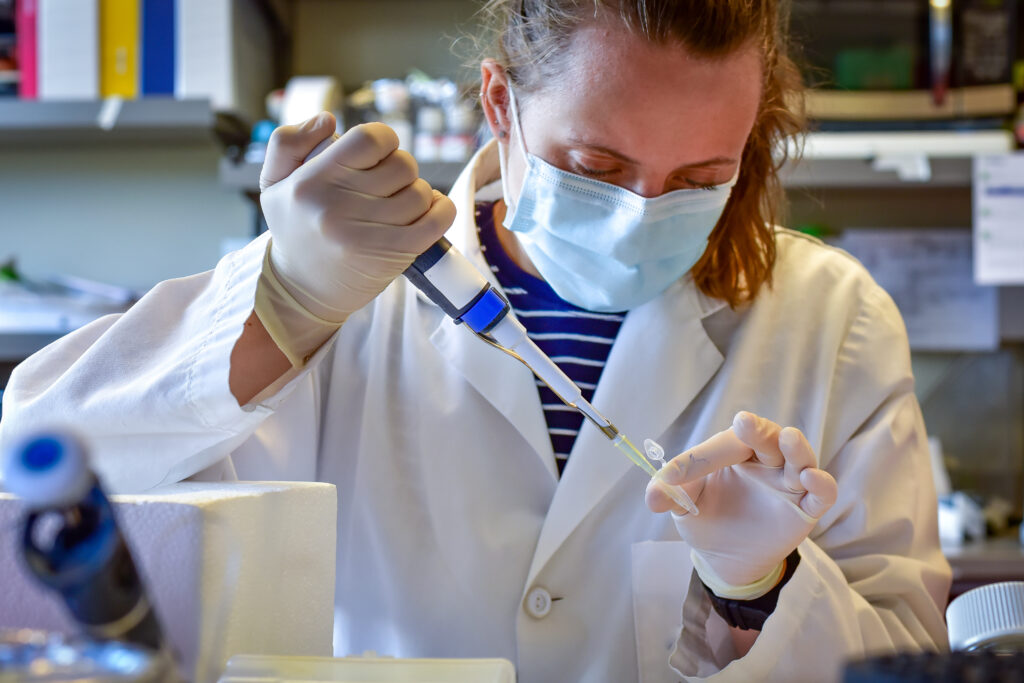
If you're responsible for food safety testing, you've likely experienced the tension firsthand. A shipment is waiting to be released, production schedules are moving forward, and everyone is looking for an answer. On paper, detecting foodborne pathogens sounds incredibly straightforward. You collect a sample, you run a test, and you get an answer. But in reality, the process is far more complicated. Contamination rarely distributes itself evenly, pathogens often hide at trace levels, and the food matrix itself can easily interfere with your detection methods. The true challenge isn't just finding a pathogen; it is finding it quickly, reliably, and consistently under real-world conditions.
The stakes could not be higher. A contaminated batch that goes undetected can put thousands of people at risk. That is why pathogen testing is about much more than generating laboratory data—it is about identifying potential threats before products ever reach a consumer's table.
Bring Rapid Pathogen Detection Closer to the Food Supply Chain
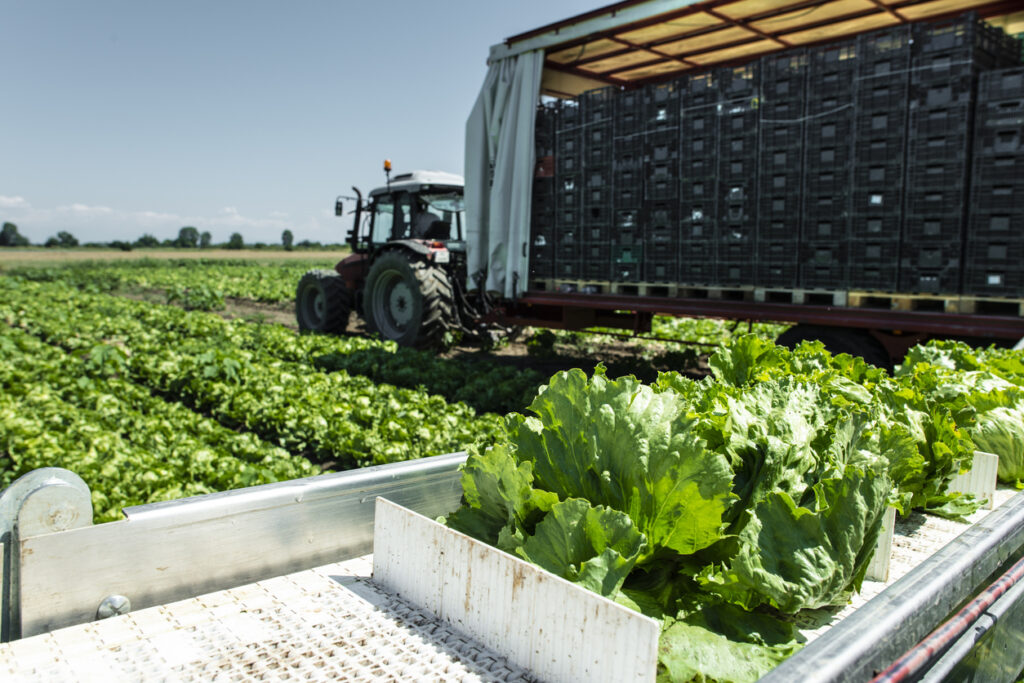
Think about the sheer scale of the challenge. Researchers recently described looking for a foodborne pathogen as trying to find a needle in a haystack. But it’s actually worse than that. It’s trying to find a needle in a haystack where the needle is microscopic, constantly moving, and distributed completely unevenly throughout the stack.
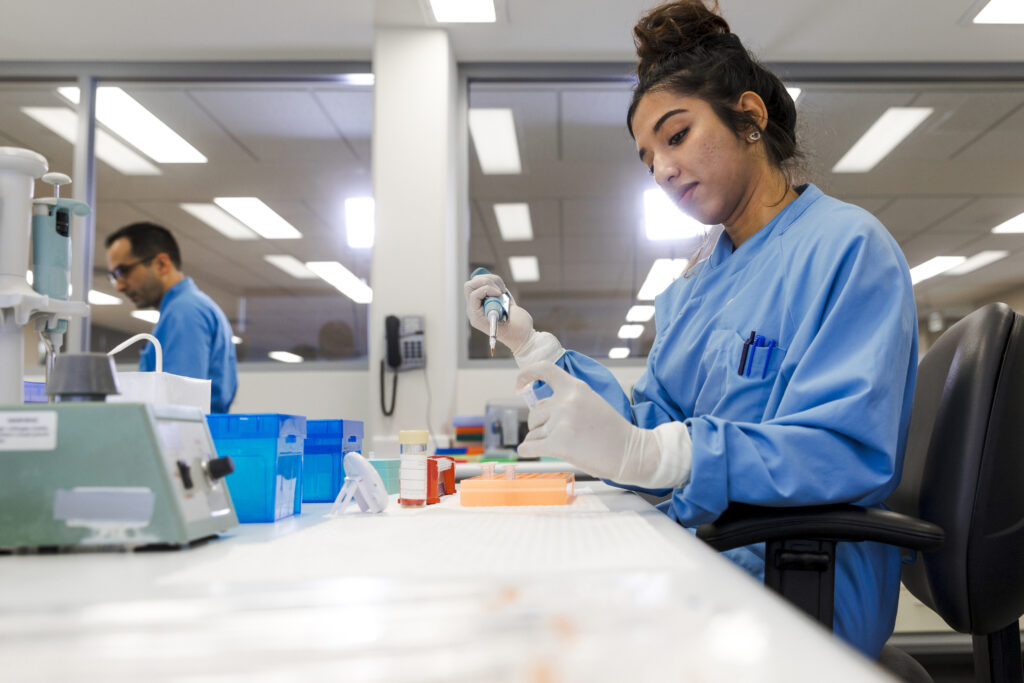
Today’s detection toolbox includes traditional culture methods alongside advanced molecular technologies like PCR, LAMP, and RPA. While these molecular approaches have dramatically improved testing capabilities, food producers and laboratories still face the ongoing challenge of balancing speed, sensitivity, and reliability in complex, fast-moving production environments.
Why Foodborne Pathogen Detection Is So Difficult
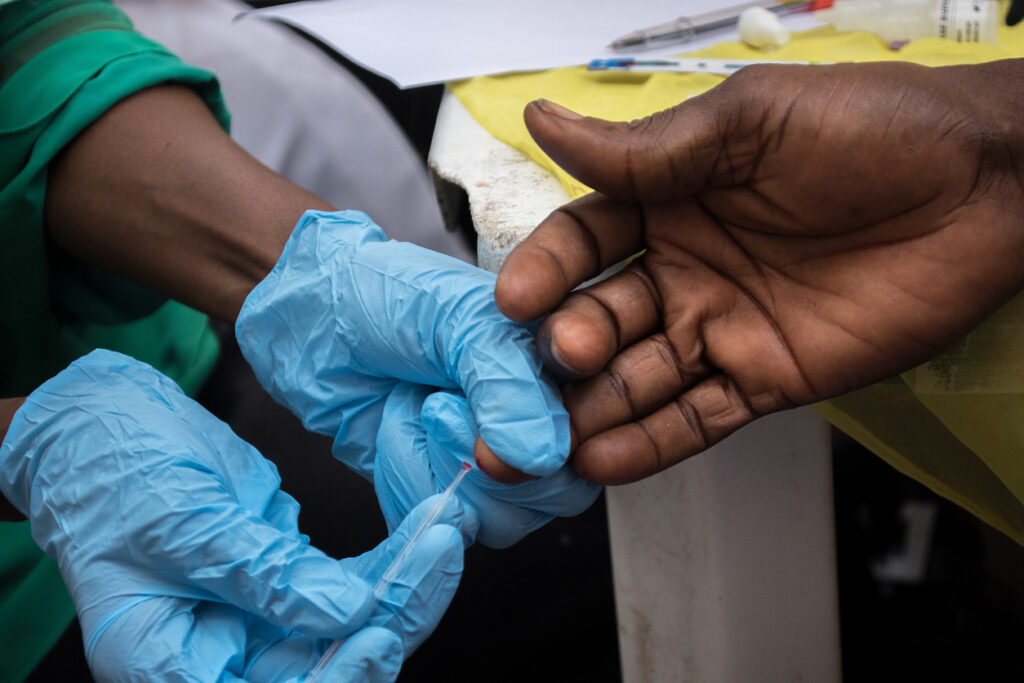
If you've ever had a test result that didn't quite add up, you already understand one of the biggest challenges in food safety testing: real-world samples rarely behave the way you want them to. Every product, facility, and production line introduces variability. Contamination can occur at any point—from incoming ingredients to processing equipment to final packaging—which means you're not simply testing a sample. You're making decisions about the safety of an entire production process based on a small snapshot in time.
The Challenge of Foodborne Pathogen Detection
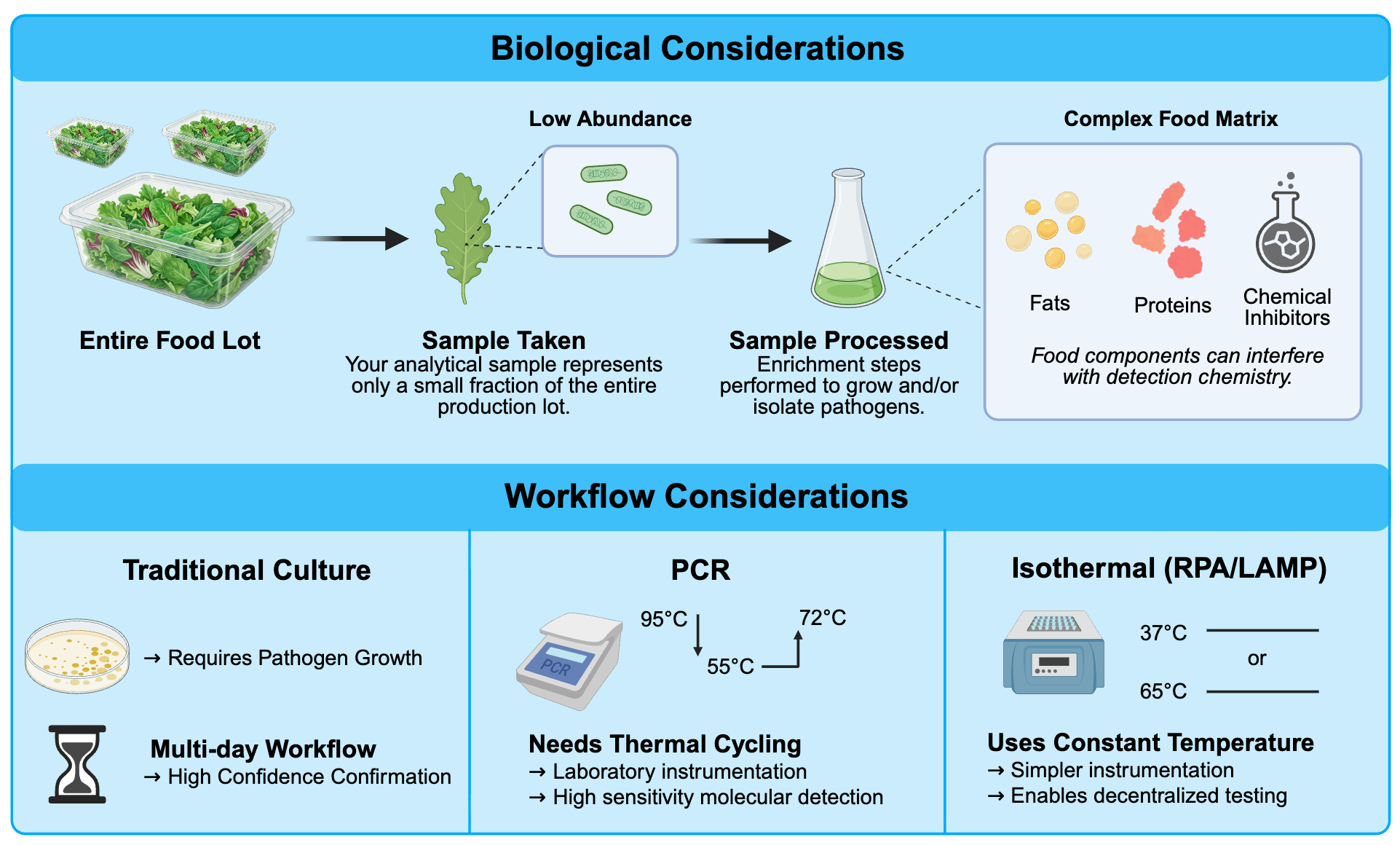
The challenge becomes even greater when pathogens are present at extremely low levels. A few cells can be enough to create a safety risk, but if they aren't captured in the portion you test, even the most sensitive assay won't detect them. That's why enrichment—allowing pathogens to multiply before testing—remains a critical part of many workflows. However, this adds significant time; while waiting for results, product decisions are on hold and operational timelines keep moving.
And then there's the sample itself. Foods are complex mixtures of fats, proteins, carbohydrates, preservatives, and other compounds that can interfere with detection chemistry. A method that performs flawlessly in the lab under optimized conditions may behave very differently when applied to meat, dairy, produce, or processed foods. As a result, you're not just looking for a pathogen—you're trying to find it within a challenging and often unpredictable background. The more complexity your sample introduces, the more important it becomes to use detection methods that can deliver reliable answers when you need them most.
Why Results Still Take So Long (And What It’s Actually Costing You)
Think about the last time you bought a bag of salad or a carton of milk. You assumed it was safe, right? Behind the scenes, a massive industry is working tirelessly to make that assumption true. But here is the reality: even when everything goes perfectly, food safety testing takes time—and it’s not for the reason you might think. The bottleneck isn’t the final "aha!" moment when a machine detects a pathogen. The real time-consuming effort is a complex journey of highly dependent variables: mapping out hidden pockets of contamination, preparing the sample, and actively cultivating organisms through enrichment until they hit a detectable threshold.
What we casually call "a food safety test" isn’t a single event at all. It’s a multi-day clock. And while that clock is ticking, the operational friction begins.
| Testing Stage | Purpose | Typical Time |
| Sample Collection | Collect representative product or environmental samples for analysis | Hours |
| Sample Preparation / Enrichment | Prepare samples and increase pathogen levels when needed for reliable detection | 24–48 hours |
| Detection (Culture or Molecular) | Detect or identify target pathogens | Minutes to days |
| Confirmation Testing | Validate positive or suspect results | 1–3 days |
| Product Release Decision | Determine whether products can move through the supply chain | After testing is complete |
Products stack up in warehouses, consuming precious cold storage. Shipments delay. Every hour a product sits on a holding dock is an hour of shelf life stolen before it ever reaches a customer. This creates immense financial pressure—mounting inventory fees, production inefficiencies, and delayed revenue—meaning your production schedule is no longer limited by how fast you can manufacture food, but by how fast you can test it. The deeply frustrating part? The vast majority of these delayed batches are completely fine. Yet, without a faster, more agile testing system, you have no choice but to treat uncertainty as risk. This is the core tension of modern food safety: trying to move quickly in a system designed to slow you down, all while carrying the heavy responsibility of keeping the public safe.
Why Different Pathogens Create Different Testing Challenges
Not all foodborne pathogens present the same testing challenge, and the threat you face changes depending on the organism. For some pathogens, the issue is simply that they exist in extremely low numbers, making them incredibly easy to miss unless your testing system is highly sensitive. For others, your biggest hurdle is persistence. These organisms can survive in production environments and build up on equipment surfaces, turning contamination into a chronic, ongoing risk rather than a single, isolated event.
The stakes also vary wildly. Some pathogens require only a very small infectious dose to cause illness, meaning even a tiny gap in your detection can have severe consequences for consumer safety. In other cases, the organism itself is notoriously difficult to grow or recover using traditional culture methods, which makes your standard workflows less reliable right from the start. What this really means for you is that there is no single failure point to guard against. The target moves depending on the organism and the environment. Your challenge isn't just detecting pathogens in general; it is detecting the right pathogen under the right conditions, in real-world systems that are constantly changing.
Real-World Pathogens and Why They Are So Difficult to Catch
The challenges we’ve talked about aren’t theoretical. They show up in the real pathogens that keep food safety teams up at night.
Take a few examples:
- Salmonella often shows up in extremely low numbers, which means you usually need enrichment before you can even begin detection. It’s not just about having a sensitive assay. It’s about giving the organism time to grow to detectable levels, which is typically a 24-48 hour process as outlined by the FDA Analytical Manual.
- Listeria behaves differently. Instead of being a one-time contamination event, it can persist in your facility, surviving in drains, equipment, and other hard-to-clean areas. That’s why environmental monitoring matters so much. It’s often your earliest warning sign before it ever reaches product.
- E. coli O157:H7 raises the stakes in a different way. In some cases, as few as ~10 cells can cause serious illness—think of finding a handful of harmful bacteria in a background of millions of harmless ones. That level of risk demands extremely sensitive and highly reliable testing.
- Campylobacter brings its own challenge, since it can be difficult to culture using standard lab methods, which is one reason many programs are shifting toward molecular approaches.
What all of these have in common is that the challenge is rarely just the test itself. It is the biology of what you are trying to detect. Some pathogens are hard to find because they are present at very low levels. Others persist in your environment over time. Some demand extreme sensitivity, while others require entirely different workflows to recover reliably. And what that really means for you is simple: no single testing method can fully solve every food safety challenge on its own.
A Live Example: The 2026 Cyclosporiasis Outbreak
Here's a pathogen that breaks the mold. As of mid-July 2026, health officials across 34 states are tracking a multistate cyclosporiasis outbreak, with well over 6,700 confirmed and probable cases reported since May, a sharp jump over this same point last year. Michigan has been hit hardest, with investigators eyeing a cluster spanning Michigan, Ohio, West Virginia, and Kentucky, and early suspicion falling on salad greens.
Your instinct might be to ask: enrichment, then culture, then confirm, right? Not for this pathogen. Cyclospora cayetanensis simply doesn't play by those rules. It's not a bacterium you can coax onto a plate and watch multiply overnight. It's a foodborne parasite with a life cycle that standard culture-based methods were never built to support, so an entire step in the workflow you'd expect from bacteria like Salmonella just isn't available here.
That leaves two approaches to Cyclospora testing. The traditional one is microscopy: examining stool samples for oocysts via acid-fast staining or UV fluorescence. It works, but oocyst shedding is often low and inconsistent, so a single sample can easily come back negative even when someone is infected.
The newer approach is molecular detection, specifically real-time PCR testing targeting Cyclospora-specific genetic markers. It's sensitive enough that it doesn't depend on catching the parasite mid-shed, which is exactly why the CDC's current guidance pushes clinicians toward molecular testing over routine microscopy alone. It's a good reminder: not every pathogen gives you the luxury of enrichment and culture.
When Culture Falls Short, PCR Steps In
Taq, HiFi & hot-start polymerases, plus reverse transcriptases and nucleotide solutions, built for pathogens that don't play by traditional testing rules.
The Speed vs Sensitivity Tradeoff
No matter which path you choose, every food safety strategy is ultimately an exercise in balance: weighing how quickly you need an answer against how confident you must be in that result. Traditional culture methods remain the regulatory gold standard because they are well-established, highly reliable, and widely accepted. The compromise, of course, is time. Depending on the organism and the specific workflow, it can take days to progress from collecting a sample to securing a confirmed result.
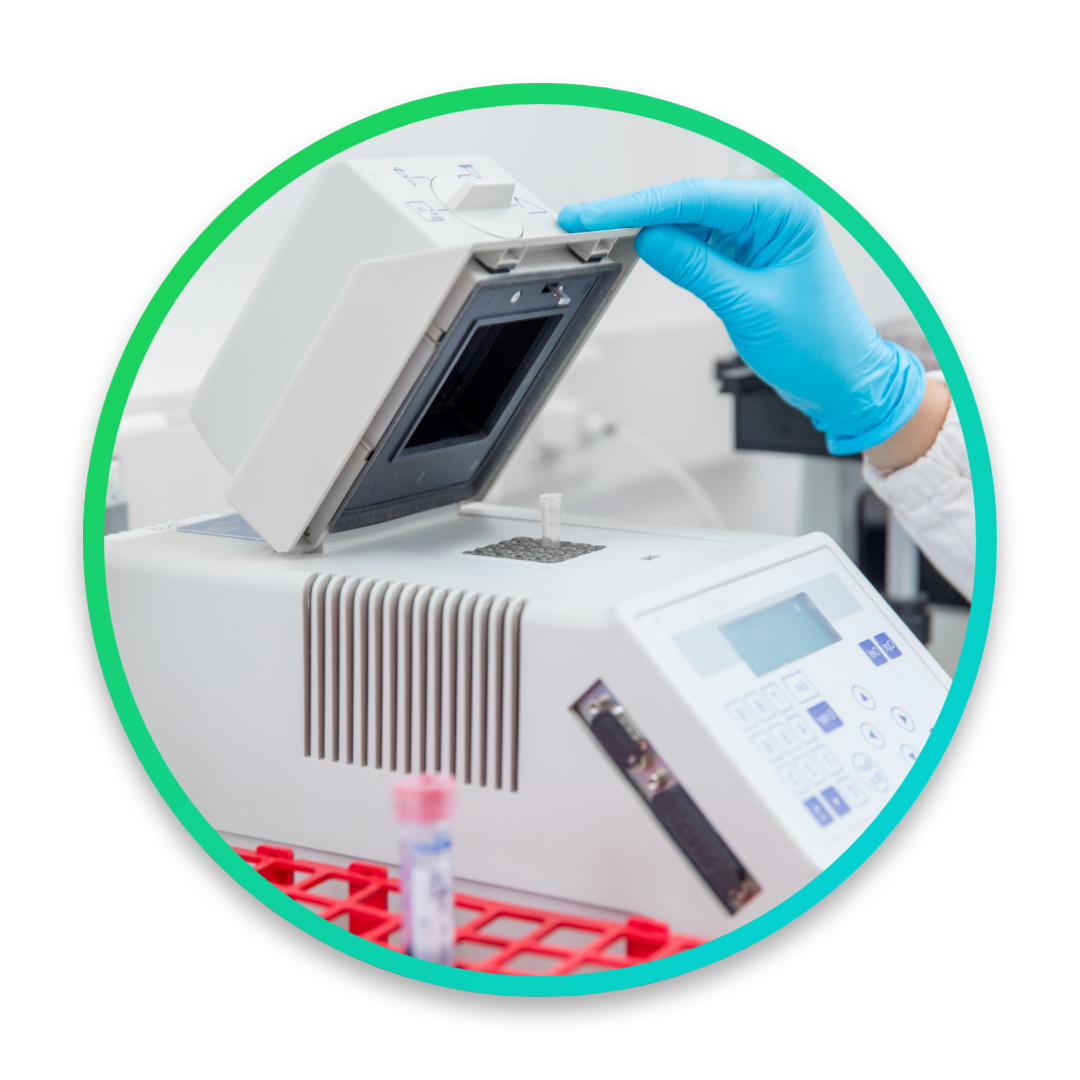
Molecular methods, such as PCR, help accelerate this timeline by targeting genetic material directly rather than waiting for massive cellular growth. This allows you to secure answers faster and detect pathogens at much lower levels. Yet, even with these advancements, an enrichment phase is still commonly required, and a positive result does not always tell the whole story. Often, additional confirmatory steps are necessary to fully interpret what that signal means for your product.
If your primary objective is to maximize speed, moving to an on-site testing model brings detection directly to the production floor. By bypassing the logistical delays of sending samples to a centralized lab, your facility can drastically shorten decision-making windows. However, every testing approach demands a tradeoff. Chasing faster turnaround times means carefully balancing other critical variables—whether that is sensitivity, sample throughput, stringent validation requirements, or the sheer number of pathogens you can screen for simultaneously.
That is the critical takeaway. The objective is rarely to find a single, flawless testing method. Instead, the goal is to design a comprehensive testing strategy that delivers the precise balance of speed and confidence required to manage your specific operational risks.
How the Industry Is Closing the Gap (And How Isothermal Fits In)
The most significant advancements in food safety testing are not emerging from a single breakthrough technology. Instead, they are driven by a fundamental redesign of testing workflows, transforming an isolated laboratory activity into an integrated decision-making architecture.
We are seeing this play out in three major shifts:
- Layered Testing Strategies: Facilities are deploying rapid molecular screening for high-volume samples and reserving traditional, time-consuming culture methods only for the tiny fraction that return a positive signal.
- Multiplexing: Teams are shifting from siloed assays to screening for multiple pathogens simultaneously, expanding oversight without multiplying labor.
- Decentralization: The physical footprint of testing is migrating out of external, centralized labs and moving directly onto the production floor to eliminate logistical lag.
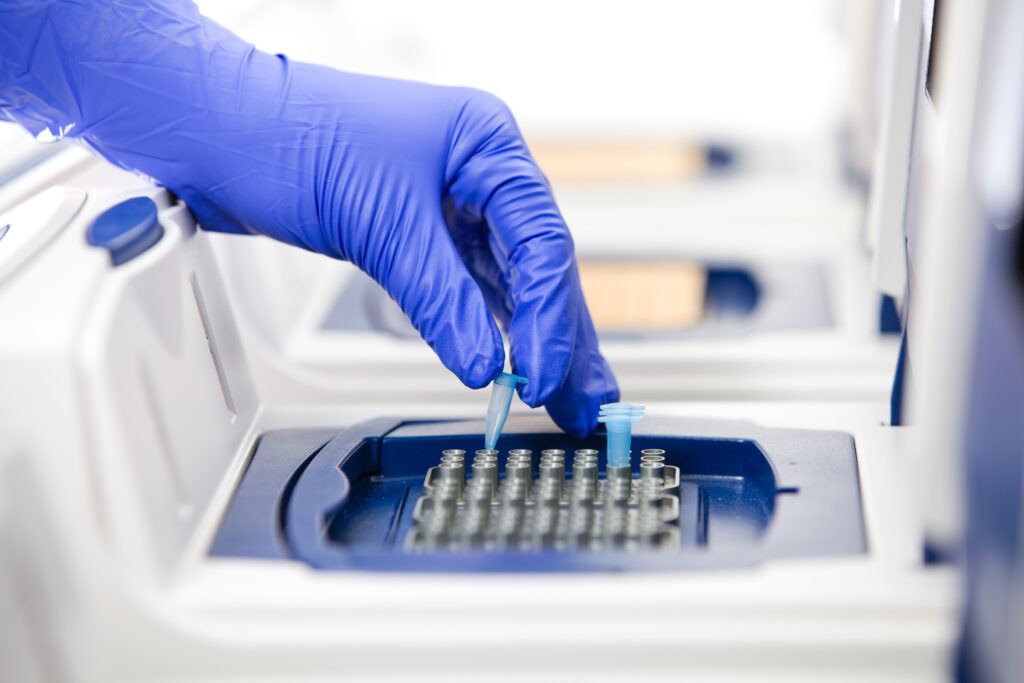
Historically, bringing this kind of rapid molecular testing on-site was a major hurdle. If you have worked with standard Polymerase Chain Reaction (PCR), you know it relies on a process called thermal cycling—repeatedly heating and cooling a sample to amplify its genetic material. This constant temperature shifting requires precise, delicate instruments and tightly controlled environments, meaning PCR usually stays confined to a centralized lab.
Choosing Between Isothermal Methods?
Not sure whether RPA or LAMP is the better fit for your assay? Both methods enable rapid molecular detection—but their workflows, primer design, and device requirements differ significantly. Learn how they compare in our detailed guide.
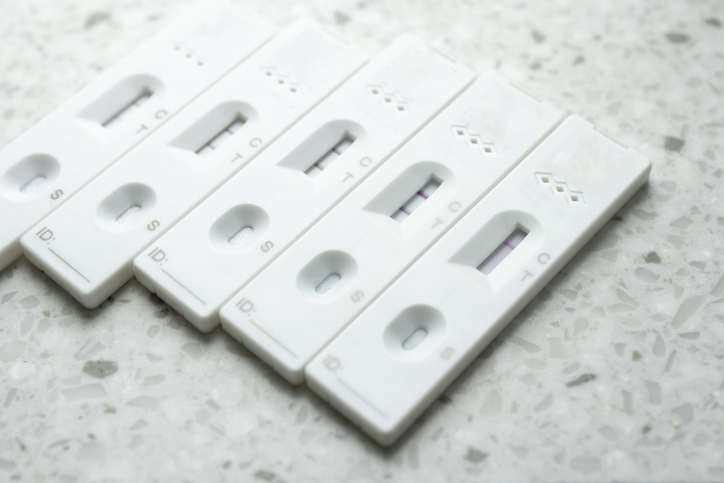
This is exactly where isothermal amplification changes the game. Instead of cycling temperatures up and down, isothermal reactions run at a single, constant temperature, completely removing the need for complex thermal equipment. Platforms like Recombinase Polymerase Amplification (RPA), which runs at a low 37–42°C and delivers results in under an hour, or Loop-Mediated Isothermal Amplification (LAMP), which operates at a steady 60-65°C, offer incredible robustness. They can tolerate the complex food matrices that often interfere with traditional testing, right on the factory floor.
Ultimately, isothermal technologies like RPA and LAMP aren't here to completely replace PCR; they are here to expand what is possible. By pairing these agile, constant-temperature tools with a layered workflow, facilities can finally expose risks early enough to mitigate them. It allows the industry to spend significantly less time waiting for data, and far more time confidently executing on it.
Future Directions and Final Thoughts
The future of food safety testing is not about finding a single technology that solves every problem. It is about building workflows that help you detect issues sooner and respond more effectively. You can already see that shift happening. On-site testing is bringing detection closer to the production floor, allowing you to identify potential issues earlier in the process. At the same time, better integration between sampling, testing, and reporting is shortening the time between generating data and acting on it. Together, these shifts are moving food safety away from isolated testing events and toward a continuous, real-time understanding of risk.
The reality is that foodborne pathogen detection will never be simple. Contamination is naturally uneven, pathogens often hide at trace levels, enrichment takes time, and food matrices can easily interfere with detection. No single method removes those challenges entirely. What is changing is how quickly you can see a potential issue and how confidently you can respond to it. Portable molecular tools, multiplex assays, isothermal amplification, and more connected workflows are steadily narrowing the gap between speed and reliability. This means fewer delays between sampling and action, better visibility into risk, and more opportunities to intervene before small issues become costly problems.
The direction is clear: faster decisions, closer to the source, with fewer blind spots. The question is no longer whether the tools exist. It is how quickly they can be built into the workflows that protect your operation, your products, and ultimately, the consumers who depend on them.
Explore the Full Molecular Diagnostics Portfolio
Explore Synthego’s full molecular portfolio — from PCR & RT enzymes and IVT enzymes to isothermal amplification and sample preparation & processing — to empower your next molecular or clinical diagnostic breakthrough.